
Sheikh Hamad bin Khalifa Al Thani Passes Away: Qatar Mourns the Father Amir
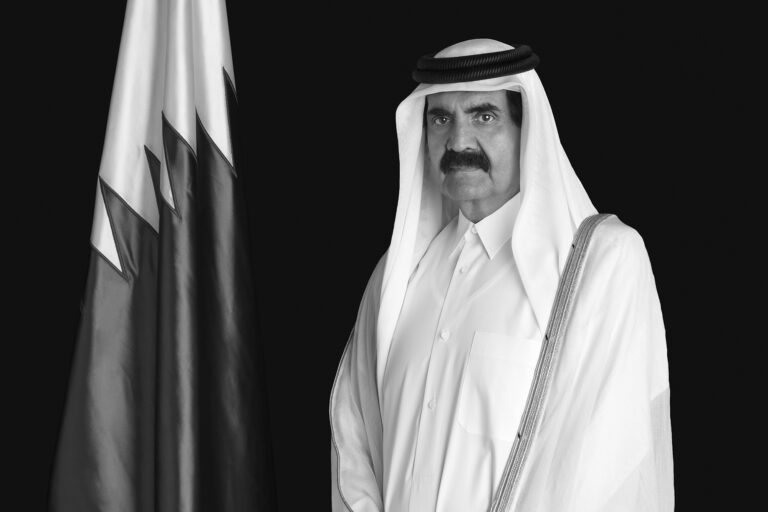
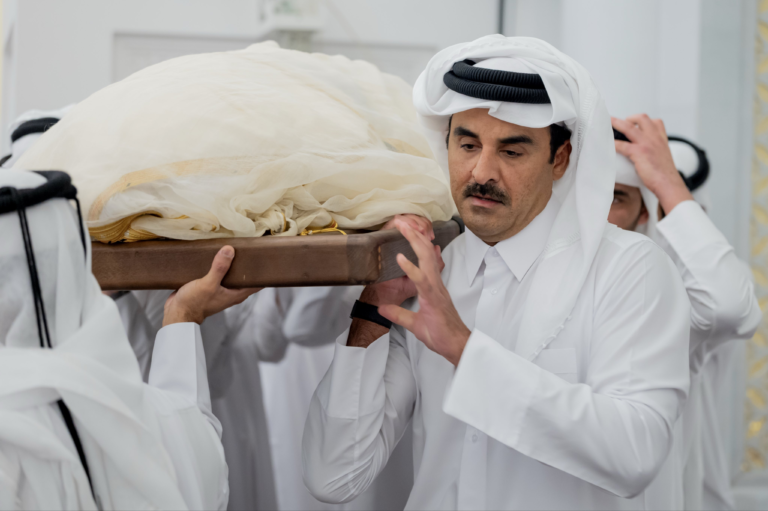
His Highness Sheikh Hamad bin Khalifa Al Thani, the Father Amir of Qatar, has passed away. Born on January 1, 1952, Sheikh Hamad bin Khalifa Al Thani was 74 years old at the time of his passing on July 12, 2026.
The announcement was confirmed by the Amiri Diwan of Qatar.
بيان من الديوان الأميري: بقلوب مؤمنة بقضاء الله وقدره، ينعى الديوان الأميري، فقيد الوطن الكبير المغفور له بإذن الله صاحب السمو الأمير الوالد الشيخ حمد بن خليفة آل ثاني، الذي وافته المنية صباح اليوم 27 محرم 1448 الموافق 12 يوليو 2026، عن عمر ناهز 74 عامًا. https://t.co/tXWvru50tA
Sheikh Hamad bin Khalifa Al Thani served as the Emir of Qatar from 1995 until 2013, when he voluntarily transferred power to his son, His Highness Sheikh Tamim bin Hamad Al Thani, in a historic and peaceful transition of power that was widely recognised as a defining moment in the region. He held the title of Father Amir following his abdication, remaining a deeply respected figure in Qatar and across the Arab world.
Under his leadership, Qatar underwent a profound transformation, expanding its international standing through diplomacy, media, sport, infrastructure and energy development. Qatar’s emergence as a global destination, a leading natural gas exporter, and a respected diplomatic voice on the world stage was shaped significantly during his years as Emir.
The Amiri Diwan announces that the funeral prayer for the late, God willing, His Highness the Father Amir Sheikh Hamad bin Khalifa Al Thani will be held after Maghrib prayer today, Sunday, July 12, at the Imam Muhammad bin Abdul Wahab Mosque in Doha City, after which his body will be laid to rest in the Lusail Cemetery.
يعلن الديوان الأميري أن الصلاة على المغفور له بإذن الله صاحب السمو الأمير الوالد الشيخ حمد بن خليفة آل ثاني، ستقام بعد صلاة المغرب اليوم الأحد الموافق 12 يوليو في جامع الإمام محمد بن عبدالوهاب بمدينة الدوحة، ثم سيوارى جثمانه الثرى في مقبرة لوسيل.
The Amiri Diwan announces the general mourning throughout all parts of the country for the great national loss, the late—may God have mercy on him—His Highness the Father Amir Sheikh Hamad bin Khalifa Al Thani, for a period of 4 days, starting from today, Sunday, July 12, 2026.
Notice regarding the regulation of the movement of those heading to the Imam Muhammad bin Abdulwahhab Mosque to perform the funeral prayer for the forgiven one, by the permission of Allah, the late great patriot, His Highness the Father Amir Sheikh Hamad bin Khalifa Al Thani, may God have mercy on him.
تنويه بشأن تنظيم حركة المتجهين إلى جامع الإمام محمد بن عبدالوهاب لأداء الصلاة على المغفور له بإذن الله فقيد الوطن الكبير، صاحب السمو الأمير الوالد الشيخ حمد بن خليفة آل ثاني، رحمه الله.#الداخلية_قطرpic.twitter.com/gWO8jMrIaf
Flags lowered in mourning for the great national loss, His Highness the Father Amir Sheikh Hamad bin Khalifa Al Thani
The following guidelines outline the protocol for flying the State of Qatar’s flag at half-mast during periods of mourning, in accordance with the provisions of Law No. (14) of 2012, ensuring adherence to the approved procedures and preserving the flag's status and national… pic.twitter.com/qJqlRJ1U6B
Qatar Security Alert July 12 2026: Elevated Threat, Stay Indoors, Threat Cleared at 5:54am
At 5:36 AM on Sunday July 12, 2026, residents across Qatar received a National Emergency Alert on their phones from the Ministry of Interior. The message was clear and urgent. The security threat level is elevated. Everyone must remain in their homes and safe places. Stay away from windows, glass facades and exposed areas until the threat has passed.
Eighteen minutes later, at 5:54 AM, a second alert confirmed that the security threat had been eliminated.
Many residents woke not to their phones but to the sounds themselves. Comments flooding in from across Doha described loud explosions that rattled windows and woke people from sleep. “The explosives woke me up, not the alert,” wrote one resident. “That was so loud.” Others said they were mid-morning walk when the sounds began.
At 5:36 AM: Qatar’s Ministry of Interior issued a public safety alert notifying all residents that the security threat level is elevated, instructing everyone to remain indoors, stay away from windows and exposed areas, and follow official safety instructions.
At 5:54 AM: MOI Qatar confirmed via a second public safety notification that the security threat had been eliminated and the situation had returned to normal.
In Bahrain, sirens blared at approximately the same time. Bahrain’s Ministry of Interior activated air raid sirens and urged citizens and residents to remain calm and head to the nearest safe place.
In the UAE, the Ministry of Defense confirmed that its air defences were actively engaging incoming missiles and drone attacks from Iran, stating that explosions heard across the country were the sound of its defence systems intercepting those attacks.
Second National Emergency Alert Issued at 6:47 AM
A second National Emergency Alert was pushed to all phones in Qatar at 6:47 AM on Sunday July 12, carrying the same urgent instruction: the security threat level remains elevated, everyone must remain in their homes and safe places, and stay away from windows, glass facades and exposed areas until the threat has passed.
The second alert confirmed that the situation had not fully resolved after the 5:54 AM all-clear and that a renewed or ongoing threat required residents to return to shelter-in-place protocols.
Iran Claims Strike on Al Udeid Air Base in Qatar
Iran’s Islamic Revolutionary Guard Corps issued a statement claiming it targeted Al Udeid Air Base in Qatar, one of the largest US military installations in the world, hosting thousands of American personnel and significant air power.
The IRGC claimed it destroyed a fighter aircraft maintenance and repair centre as well as a command-and-control centre at the base.
Qatar’s Ministry of Defence has not confirmed any damage to Al Udeid. The Ministry’s earlier statement said armed forces intercepted a missile attack that targeted the State of Qatar, which is consistent with a successful interception of the projectile before it reached its intended target.
Al Udeid has been central to US military operations across the region and its presence in Qatar makes the country a direct strategic target in the current Iran-US escalation. Qatar’s air defence systems have now demonstrated their capability to respond under live combat conditions.
3 injured, including a child, in Qatar
Qatar’s Ministry of the Interior has confirmed that falling debris from interception operations have injured three people, including a child.
“The injured are receiving the necessary care,” it said in a statement.
The ministry said that following the Iranians attacks, security authorities and Civil Defence teams had initiated response procedures in accordance with approved emergency plans.
Qatar Ministry of Defence Confirms Missile Attack Was Intercepted
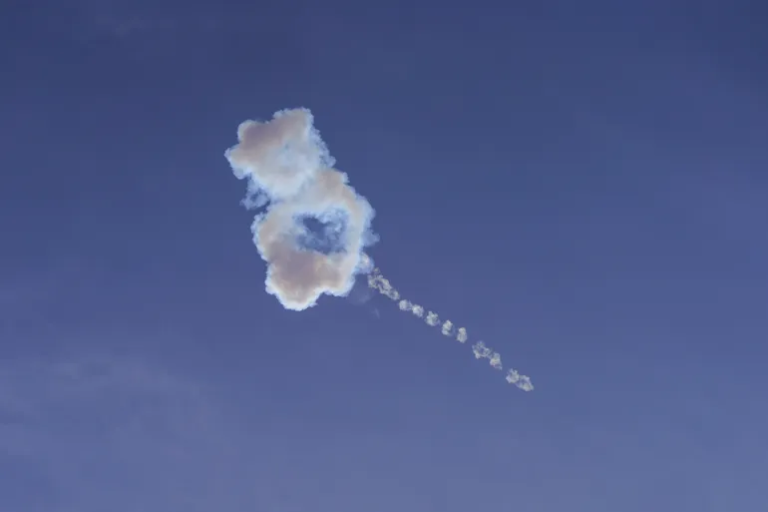
Qatar’s Ministry of Defence has issued an official statement confirming that Qatari armed forces successfully intercepted a missile attack that targeted the State of Qatar.
The statement reads: “The Ministry of Defense of State of Qatar announces that armed forces intercepted missile attack which targeted State of Qatar. May Allah protect Qatar, its Amir, its people, and all residents on its land.”
This is the first official confirmation from the Qatari defence establishment that Qatar itself was directly targeted, and that the country’s air defence systems successfully neutralised the incoming threat. The statement explains the loud explosions heard across Doha in the early hours of Sunday July 12, which many residents described as the most intense sounds they had heard, with some saying they were woken by the blasts before any alert reached their phones.
Qatar’s air defences intercepted the missile successfully. There are no immediate reports of casualties or structural damage. All residents are advised to continue following official updates from @MOI_Qatar and the Qatar Ministry of Defence on X until the situation is fully assessed and confirmed as stable.
— وزارة الدفاع – دولة قطر (@MOD_Qatar) July 12, 2026
Why Did This Happen: The Broader Context
This escalation is directly connected to the ongoing conflict between the United States and Iran centred on the Strait of Hormuz.
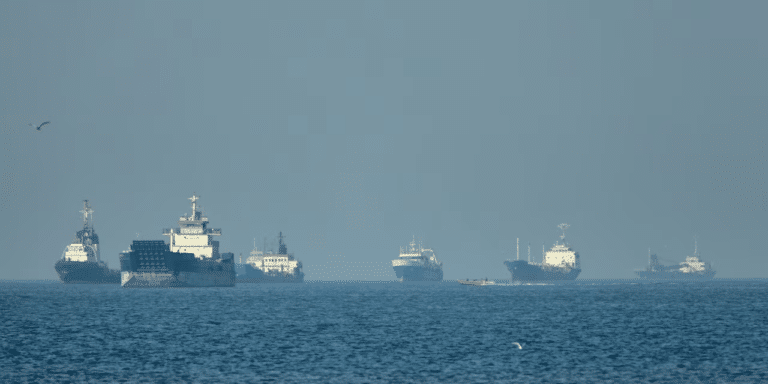
At around midnight GMT on July 12, US Central Command announced a third round of strikes on Iran. The US said it acted after accusing Iran’s Islamic Revolutionary Guard Corps of attacking a Cyprus-flagged container ship in the Strait of Hormuz, which was left unable to continue its journey due to an onboard fire and engine damage, with a crew member missing.
In response to the US strikes, explosions were reported across multiple Iranian port cities including Bandar Abbas, Sirik, Chahbahar, Bandar-e Deyr and Asaluyeh.
This third round of strikes followed earlier US attacks, triggered by Iran attacking ships in the waterway. Iran’s IRGC had also declared the Strait of Hormuz temporarily closed after firing a warning shot at a ship it said was taking an unapproved route.
BREAKING: US military announces third round of strikes on Iran
Adding to the severity of the moment, Iran’s new Supreme Leader Ayatollah Mojtaba Khamenei, son of the late Ali Khamenei, pledged to avenge his father’s killing by US and Israeli forces. US President Donald Trump responded by threatening to, in his words, “decimate and destroy all areas of Iran” if any attempt is made to harm him.
Diplomatic channels remain active. Iran’s Foreign Minister met his Omani counterpart, with Oman reported to have proposed two separately controlled routes through the Strait of Hormuz, one through Iranian territorial waters and one through Omani waters.
What This Means for Qatar
Qatar hosts Al Udeid Air Base, one of the largest US military installations in the world. As US forces conduct strikes on Iran and Iran retaliates across the Gulf, Qatar sits directly within the radius of regional escalation. The activation of Qatar’s public safety alert system, and its rapid resolution, demonstrates both the proximity of the threat and the effectiveness of Qatar’s air defence and early warning capabilities.
Qatar also previously condemned the attack on its own LNG tanker Al Rekayyat earlier this month, holding Iran legally responsible. The country continues to serve as a diplomatic channel between regional and international parties, making its position both central and delicate in this ongoing crisis.
For the latest official updates, follow @MOI_Qatar and @MOD_Qatar on X. Do not rely on social media rumours. All official safety communications come directly from the Ministry of Interior.
What to Do if Another Alert Is Issued
If you receive a public safety alert in Qatar, go immediately indoors if you are outside. Stay away from windows, glass facades and exposed areas. Do not go to your balcony or rooftop. Remain inside until the official all-clear is confirmed via a second notification from the Ministry of Interior. Follow @MOI_Qatar on X for real-time updates.
Wanted suspect extradited from Qatar to the U.S. in Joint Operation with FBI and INTERPOL
Qatar has handed over a wanted individual to United States authorities in a joint security operation involving Qatar’s Ministry of Interior, the Internal Security Force known as Lekhwiya, and the US Federal Bureau of Investigation, coordinated through the channels of INTERPOL.
The operation was confirmed in an official press release from the Qatar Ministry of Interior, marking another significant moment in Qatar’s role as a trusted international partner in combating transnational organised crime.
What Happened
A wanted individual of Asian nationality, facing several serious criminal charges related to transnational organised crime, was extradited from Qatar to competent US authorities. The individual was first referred to Qatar’s Public Prosecution to complete all required legal procedures, after which the Public Prosecution issued a formal decision authorising the surrender of the individual to US authorities in accordance with applicable legal procedures and international treaties.
The operation was carried out through a coordinated framework involving Qatar’s Ministry of Interior, Lekhwiya (the Internal Security Force), the FBI, and INTERPOL channels.
What Qatar’s Ministry of Interior Said
The Ministry of Interior’s official statement emphasised that this operation falls within the framework of international security cooperation and coordination with friendly countries, and that it solidifies Qatar’s position as a trusted international partner in confronting transnational organised crime. The Ministry said the operation enhances the security of communities and supports the international justice system, in accordance with national legislation and applicable legal treaties and mechanisms.
Why This Matters
Qatar has increasingly positioned itself as a credible and cooperative partner in global law enforcement, with this operation representing a direct collaboration between Qatari security forces, one of the world’s most prominent intelligence and law enforcement agencies in the FBI, and the international policing network of INTERPOL. The extradition of a suspect facing serious charges related to cross-border organised crime is significant both for the individual case and for the signal it sends about Qatar’s commitment to international legal frameworks.
بيان صحفي بشأن تسليم أحد المطلوبين إلى السلطات المختصة في الولايات المتحدة الأمريكية في إطار عملية أمنية مشتركة بين وزارة الداخلية وقوة الأمن الداخلي (لخويا) ومكتب التحقيقات الفيدرالي الأمريكي (FBI)، عبر قنوات منظمة الشرطة الجنائية الدولية (الإنتربول).#الداخلية_قطرpic.twitter.com/2sQEYgThJL
Press release regarding the extradition of a wanted individual to the competent authorities in the United States of America, within the framework of a joint security operation between the Ministry of Interior, the Internal Security Force (Lekhwiya), and the U.S. Federal Bureau of… pic.twitter.com/Hz5Hfw5Fja
— Ministry of Interior – Qatar (@MOI_QatarEn) July 10, 2026
Getting Around in Qatar 2026: Doha Metro, Buses, Taxis, Trams and Everything You Need to Know
Whether you just landed at Hamad International Airport and are figuring out how to get to your hotel, or you have been living in Qatar for a while and want to stop paying for taxis every day, this is the guide that covers everything. Qatar has a genuinely impressive and rapidly expanding public transport network, and once you understand how it all connects, getting around Doha and beyond becomes very easy and very affordable.
Doha Metro, Karwa Bus, Metrolink, Lusail Tram, Msheireb Tram, ride-hailing apps, taxis, cycling, e-scooters and walking routes. All of it, explained simply.
Doha Metro 2026: The Fastest Way to Get Around
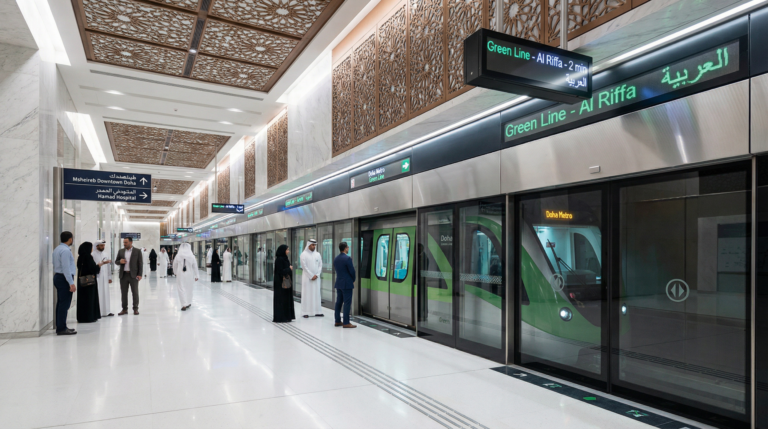
The Doha Metro is one of the most advanced metro systems in the world, fully automated, entirely driverless, and genuinely pleasant to use. It runs on three colour-coded lines that all meet at Msheireb Station, which is the central interchange point for the entire network.
Red Line: Runs from Lusail in the north through West Bay and Msheireb to Al Wakrah in the south. Connects Hamad International Airport, West Bay, Souq Waqif and many key areas.
Green Line: Runs east to west through central Doha. Connects Education City, Al Rayyan Road, and key residential and commercial areas.
Gold Line: Runs from Al Wakair through Mesaieed Road into central Doha, connecting older residential neighbourhoods to the main network.
The metro operates on 76 kilometres of track with more than 37 stations, and network expansion is ongoing. Trains are fast, air-conditioned, and connect at regular intervals throughout the day.
Metro timings: Sunday to Wednesday: 6 AM to 11 PM Thursday: 6 AM to midnight Friday: 2 PM to midnight Saturday: 6 AM to midnight
During major events and Ramadan, timings are often extended. Check the Qatar Rail app or official website at qr.com.qa for real-time updates.
Is the metro free in Qatar? No, but it is very affordable. Fares depend on the number of zones travelled. A standard card journey costs between QAR 2 and QAR 6. A Gold Class ticket, available on every train in a dedicated section, costs QAR 10. You pay using the Doha Metro travel card, which you can buy and top up at any station.
How to get a metro travel card: Purchase a Riyadah card at any metro station. The card costs QAR 10 and can be topped up at kiosks, customer service counters, or the Doha Metro app.
Key Doha Metro Stations to Know
Msheireb Station: The central hub where all three lines intersect. The most important station in the network.
Hamad International Airport Station (Red Line): Direct connection from the airport to central Doha. No need for a taxi on arrival if your hotel is near a metro station.
Al Bidda Station (Red Line): For West Bay and the financial district.
Qatar National Library and Education City Station (Green Line): Connects to universities and Education City facilities.
Al Wakrah Station (Red Line): Southern end of the network, connecting to Al Wakrah town and beach area.
Lusail Station (Red Line): Northern connection into Lusail city, with tram connections onward.
Karwa Bus and Metrolink: Getting Where the Metro Does Not Go
Karwa Bus is Qatar’s government-operated public bus network, managed by Mowasalat. The fleet is mostly electric and fully air-conditioned, covering routes that connect Doha to major towns and areas not served by the metro.
Metrolink is the feeder bus service that specifically connects metro stations to surrounding neighbourhoods and destinations within walking distance of the network. If your destination is close to a metro station but not quite there, a Metrolink bus is usually the answer.
For routes, timetables and fare information, download the Karwa Journey Planner app. You use the same Riyadah travel card on buses as you do on the metro.
Trams in Qatar 2026: Three Lines to Know
Lusail Tram: Connects into the metro through Lusail Station and Legtaifiya Station. Four lines and 25 stations across the Lusail city area. Pay using your standard metro travel card.
Msheireb Tram: A free-to-ride tram that loops through Msheireb Downtown Doha on a 2-kilometre closed circuit. Connects different parts of the Msheireb area. No card or fare needed, just step on.
Education City Tram (EC Tram): Free to ride. Three lines, Yellow, Blue and Green, covering the Education City campus. Has free wi-fi on board and runs on electric power using a unique battery-charging system. Also free for everyone.
Taxis in Qatar: How Much Do They Cost?
Karwa Taxi is the official government taxi service in Qatar. It is metered, regulated and reliable. The starting fare is QAR 4 and the per-kilometre rate is approximately QAR 1.60 during the day, with a night surcharge applicable after 10 PM. A typical trip across central Doha usually costs between QAR 15 and QAR 35 depending on distance and traffic.
You can hail Karwa taxis on the street, find them at taxi stands outside major malls and hotels, or book through the Karwa app.
Is Uber Available in Qatar?
Yes, Uber operates in Qatar. It is widely used and generally reliable across Doha. You can also use Careem, which is the regional equivalent and very popular across the Gulf. Both apps work the same way they do in any other city, with fare estimates shown before you confirm the trip.
For airport pickups, both Uber and Careem work well from Hamad International Airport. Look for the designated ride-hailing pickup zones outside the terminal.
Renting a Car in Qatar
If you want the flexibility to explore beyond Doha, including destinations like Al Wakrah, Al Khor, Sealine Beach, the Inland Sea (Khor Al Adaid) or Dukhan, renting a car is the most practical option. Qatar has an excellent road network with five main highways connecting Doha to neighbouring cities and areas.
For truly remote destinations like the Inland Sea, Zekreet or Al Ghariya Beach, you will need a 4×4 vehicle. Standard saloon cars are not suitable for off-road desert terrain.
Major rental companies including Avis, Budget, Europcar, Hertz and local operators all have desks at Hamad International Airport and across Doha.
Driving in Qatar: Traffic drives on the right. Speed limits are clearly signed and enforced by cameras. Petrol is inexpensive. Parking is available at most major malls, hotels and public areas, often free.
Cycling and E-Scooters in Qatar
During the cooler months from October to April, cycling is a genuinely enjoyable way to explore parts of Doha. Al Bidda Park, Aspire Park and the Olympic Cycling Track are all popular routes. At 33 kilometres, the Olympic Cycling Track is the world’s longest continuous cycle path.
Electric scooters, e-bikes and mopeds are available through apps including Falcon Ride, Loop Mobility and wer2. Download the app, register, find a scooter near you, and unlock it for a per-minute or per-ride fee. These are particularly popular around The Pearl, Lusail Marina and Msheireb.
Doha Bus: Hop-On Hop-Off Sightseeing
For tourists or residents who want to see the city’s highlights without planning a route, Doha Bus runs hop-on hop-off sightseeing tours. The 24-hour ticket lets you board and disembark at popular spots including Souq Waqif, the National Museum of Qatar, and Katara Cultural Village. There is also a Monster Truck option for a desert experience to the Inland Sea.
Frequently Asked Questions
What is the best way to get around Qatar? The Doha Metro for central Doha and connected areas. Uber or Careem for door-to-door convenience. A rental car for exploring outside the city.
Is the metro free in Qatar? No, but it is very affordable. Fares range from QAR 2 to QAR 6 for a standard journey, and QAR 10 for Gold Class.
How much is a taxi in Qatar per km? Approximately QAR 1.60 per kilometre, with a starting fare of QAR 4.
Is Uber used in Qatar? Yes, both Uber and Careem operate widely across Doha and Qatar.
How do I get from Hamad Airport to central Doha? Take the Red Line metro directly from Hamad Airport Station to Msheireb and beyond, for a fare of around QAR 6. Or use Uber, Careem or Karwa Taxi from the airport.
How do I pay for the Doha Metro? Buy a Riyadah card at any metro station for QAR 10 and top it up as needed. The same card works on Karwa Buses and Metrolink services.
Qatar Security Alert July 9 2026: Threat Eliminated in 9 Minutes, Full Timeline and What Happened
At 3:30 AM on Thursday July 9, 2026, residents across Qatar received an urgent public safety alert on their phones from the Ministry of Interior. Nine minutes later, at 3:39 AM, a second notification arrived: the security threat had been eliminated and the situation had returned to normal.
Here is everything that happened, why the alert was issued, what the broader context is, and what Qatar residents need to know right now.
Two notifications were pushed to mobile phones across Qatar in the early hours of July 9.
The first alert warned of a security threat and instructed residents to follow instructions from relevant authorities.
The second, nine minutes later, read: “The security threat has been eliminated and the situation has returned to normal. Everyone must comply with the instructions issued by the relevant authorities.”
Both messages came from the Qatar Ministry of Interior via @MOI_Qatar. The rapid resolution, nine minutes from alert to all-clear, indicates that Qatari air defences intercepted and neutralised the incoming threat.
Why Was the Alert Issued?
The alert came amid a sharp escalation in the US-Iran conflict, specifically in the early hours of July 9, 2026, when the United States military carried out strikes on 90 targets inside Iran, targeting bridges, docks and airports in what the US described as an effort to degrade Iran’s ability to attack shipping in the Strait of Hormuz.
The Iranian Revolutionary Guard Corps retaliated almost immediately, launching attacks on US military bases across the Gulf region, including Camp Arifjan and Ali Al Salem in Kuwait, and Juffair and Sheikh Isa bases in Bahrain. Given Qatar’s hosting of Al Udeid Air Base, one of the largest US military installations in the Middle East, the proximity of these events created an immediate and credible security concern for Qatar.
The alert and the rapid all-clear suggest that Qatar’s air defence systems were activated and successfully intercepted whatever threat was detected.
The Full Context: How Did We Get Here?
This escalation did not come out of nowhere. Here is the timeline of events leading to the July 9 alert.
On June 16, the United States and Iran signed a Memorandum of Understanding ending the war on all fronts. The deal included the reopening of the Strait of Hormuz, lifting of the US naval blockade on Iranian ports, oil export waivers for Iran until August 21, and the release of frozen Iranian assets.
After signing, the US ended its naval blockade and issued the oil export waivers. But Israel continued attacking southern Lebanon, which Iran said violated the spirit of the agreement. The bigger dispute centred on the Strait of Hormuz itself. When Oman and the United Nations announced a maritime corridor to evacuate ships stranded by the conflict, Iran objected, saying the MoU gave it sole responsibility to manage shipping in the strait. Iran warned ships against taking unauthorised routes.
Days later, two ships were attacked in the waterway, including the Qatari LNG tanker Al Rekayyat, which was struck by a drone and sent out a mayday call. The US blamed Iran and struck cities along Iran’s southern coast on June 26 and June 27. Iran retaliated with strikes on US bases in Bahrain and Kuwait.
Indirect technical negotiations were held in Qatar on July 1, but produced no breakthrough on the Hormuz question. Then on Tuesday July 8, three more ships were attacked in the waterway, triggering the current round of exchanges. The US struck 90 targets inside Iran on July 9, Iran struck US bases in the region, and Qatar issued its public safety alert.
Iran claims drone strikes on Bahrain, Kuwait and Qatar
Iran’s military says it carried out drone strikes targeting “US bases and strategic centres” in the Gulf about an hour ago.
The strikes targeted a Patriot missile system in Kuwait, an early warning satellite antenna site in Qatar, and fuel tanks belonging to the US military in Bahrain.
The Iranian military said it used “a large number of various types of drones” in the attacks.
Qatar officials have not confirmed whether the country came under attack, and they haven’t provided any further details on this matter.
What Does This Mean for Qatar?
Qatar’s position throughout this conflict has been significant. The country was used as a venue for indirect negotiations between the US and Iran on July 1, reflecting its role as a neutral mediator in the region. Qatar has condemned the attack on its own LNG tanker Al Rekayyat, holding Iran legally responsible, while also continuing to host diplomatic channels.
Qatar is also home to Al Udeid Air Base, which houses thousands of US military personnel and significant air power, making it directly relevant to any Iranian calculation about US military operations in the region.
The fact that the security alert was issued and resolved within nine minutes suggests Qatar’s air defence and early warning systems are functioning effectively. The Ministry of Interior’s rapid communication to residents via the public safety notification system also reflects the emergency communication infrastructure that was built and tested during major events like the FIFA World Cup.
Residents should continue following @MOI_Qatar and @MOD_Qatar on X for any further updates and comply with any instructions issued by official authorities.
Qatar condemns attacks on commercial vessels in Hormuz
Qatar’s prime minister has condemned attacks targeting commercial vessels in the Strait of Hormuz in a phone call with Iranian Foreign Minister Abbas Araghchi.
Sheikh Mohammed bin Abdulrahman bin Jassim Al Thani and Araghchi “reviewed the latest developments regarding the military escalation between the United States of America and the Islamic Republic of Iran over the past two days”, a foreign ministry statement said.
He “emphasised that such actions undermine confidence, threaten the security of international navigation, and damage efforts aimed at consolidating regional security and stability”.
The Qatari prime minister further “stressed the need for all parties to commit to dialogue and diplomacy, and to implement what was agreed upon within the framework of the interim US-Iran deal”.
He also “reiterated the State of Qatar’s support for all endeavors aimed at containing the escalation and reaching a comprehensive agreement that contributes to consolidating security and stability, and achieves sustainable peace in the region”.
Prime Minister and Minister of Foreign Affairs @MBA_AlThani_ Receives Phone Call from Iranian Foreign Minister
Doha | July 09, 2026
HE Prime Minister and Minister of Foreign Affairs Sheikh Mohammed bin Abdulrahman bin Jassim Al-Thani received a phone call from HE Minister of… pic.twitter.com/FqIZ9TX9tU
— Ministry of Foreign Affairs – Qatar (@MofaQatar_EN) July 9, 2026
What to Do if Another Alert Is Issued
If you receive a public safety alert on your phone from Qatar’s Ministry of Interior, stay indoors and away from windows. Do not go outside until the all-clear is confirmed. Follow official channels only, specifically @MOI_Qatar on X, and do not rely on social media rumours. Qatar’s Civil Defence and security services have proven response capabilities, as demonstrated by the nine-minute resolution on July 9.
Qatar Sports Scholarship 2026: How Student Athletes Can Get a University Education Paid For
If you are a young athlete in Qatar who has been wondering whether you can pursue a university education without giving up your sporting career, the answer just became a lot clearer. Qatar’s Ministry of Education and Higher Education has officially launched a sports scholarship pathway under the government’s scholarship program, designed specifically for talented student athletes who want to study and compete at the same time.
Here is everything you need to know, including who qualifies, what the benefits are, and when applications open.
What Is the Qatar Sports Scholarship?
The new sports track is a dedicated pathway within Qatar’s existing Government Scholarship Program. Instead of awarding scholarships purely on academic performance, this track recognises demonstrated sporting talent as the basis for government sponsorship of university education.
The initiative was launched by the Ministry of Education and Higher Education’s Higher Education Affairs Sector, in coordination with the Ministry of Sports and Youth. An orientation session was held for gifted students, with parents and representatives from relevant organisations in attendance.
The goal is to produce graduates who are academically qualified and athletically competitive, capable of representing Qatar in international sport while contributing to the country’s national development objectives under Qatar National Vision 2030.
What Does the Scholarship Include?
The program covers tuition fees for eligible students enrolled at participating private universities in Qatar, in accordance with approved regulations. It also includes coordination with relevant sporting authorities to ensure athletes can continue their professional sporting pathway during their studies, and access to employment-linked scholarship opportunities under existing government policies, aimed at improving graduates’ readiness for the labour market.
Who Is Eligible?
To qualify for the sports scholarship track, applicants must meet all of the following conditions. They must be nominated by the Ministry of Sports and Youth and the Qatar Olympic Committee. They must satisfy the general criteria for the Government Scholarship Program. They must obtain an unconditional admission offer from a university participating in the domestic scholarship scheme. And they must commit to maintaining their professional sporting pathway throughout their university studies.
When Do Applications Open?
Applications for the sports track during the second admission period for public universities will be accepted through the Government Scholarship Platform between November 15 and December 30, 2026.
If you are a student athlete or a parent of one, mark those dates and ensure nominations from the Ministry of Sports and Youth and the Qatar Olympic Committee are secured well in advance, as this is a prerequisite before the application can proceed.
Why This Matters
Qatar has invested heavily in both education and sport over the past decade, and this scholarship is a direct reflection of how those two priorities are now being formally connected. Student athletes have historically had to choose between pursuing elite sport or focusing on higher education. This program removes that trade-off.
The Ministry’s statement made clear that this is part of a broader commitment to investing in national talent and strengthening integration between the education and sports sectors, with the long-term aim of building a generation that combines academic achievement and sporting excellence.
Frequently Asked Questions
Who nominates athletes for the Qatar sports scholarship? Nominations come from the Ministry of Sports and Youth and the Qatar Olympic Committee. Athletes cannot self-nominate directly through the scholarship platform.
Does the scholarship cover all universities in Qatar? The scholarship covers tuition fees at private universities participating in the domestic scholarship scheme under approved regulations.
Can athletes study any subject? The program allows eligible students to enroll in a range of academic disciplines at participating higher education institutions.
When do applications open for the sports scholarship? Applications open November 15 and close December 30, 2026, through the Government Scholarship Platform.
Can non-Qatari athletes apply? The announcement does not specify eligibility by nationality. The program appears focused on national sporting talent representing Qatar. Contact the Ministry of Education and Higher Education directly for clarification.
Qatar LNG Tanker Al Rekayyat Hit Near Strait of Hormuz: Iran Blamed, Full Details
A Qatari liquefied natural gas tanker has been struck near the Strait of Hormuz in what Qatar has condemned as an unacceptable attack on international maritime navigation and global energy security.
The Al Rekayyat, an LNG vessel owned and managed by Nakilat (Qatar Gas Transport Company Ltd), issued a mayday call after being hit on its port side near the engine room, with the captain reporting a fire and heavy smoke below deck. A Saudi-flagged supertanker, believed to be the Wedyan, was also reported damaged off Oman’s coast in the same incident on July 6, 2026.
Reuters reported that Iran’s Revolutionary Guards fired missiles at ships in the Strait of Hormuz waterway overnight.
What the Captain Said
The Al Rekayyat’s captain sent the following recorded distress call, reviewed by Reuters:
“Mayday mayday mayday. This is vessel Al Rekayyat, LNG vessel Al Rekayyat. We are being hit by drone on port side, top of engine room. Status: engine room fire and full of smoke. Unable to assess further damage.”
The vessel was loaded with LNG at the time of the attack and had been travelling with its transponders switched off. LSEG shipping data showed the vessel last transmitted its location on June 18, 2026.
Qatar’s Official Response
استهداف الناقلة القطرية "الركيات" أثناء عبورها قرب مضيق هرمز يُعد اعتداءً مرفوضًا على أمن وسلامة الملاحة الدولية، وأمن إمدادات الطاقة العالمية، وانتهاكًا جسيمًا وصريحًا لأحكام القانون الدولي، ولا سيما القواعد التي تكفل حرية الملاحة البحرية والعبور الآمن في الممرات الدولية.
نطالب…
— د. ماجد محمد الأنصاري Dr. Majed Al Ansari (@majedalansari) July 7, 2026
Dr. Majed Al Ansari, spokesman for Qatar’s Ministry of Foreign Affairs, issued a sharp statement condemning the attack in the clearest possible terms.
“Targeting the Qatari tanker Al Rekayyat while passing near the Strait of Hormuz constitutes a rejected aggression against the security and safety of international navigation, and the security of global energy supplies, and a grave and explicit violation of the provisions of international law, especially the rules that guarantee freedom of maritime navigation and safe passage in international straits.”
Qatar formally demanded that the Islamic Republic of Iran immediately cease all practices that undermine regional security, stop endangering global energy supplies, and end threats to international maritime navigation. Qatar stated it holds Iran fully legally responsible for this attack and for any damages and consequences that result from it.
Who Owns Al Rekayyat and What Does It Carry
Al Rekayyat is owned and managed by Nakilat, also known as Qatar Gas Transport Company Ltd, which operates one of the world’s largest LNG shipping fleets. The company trades under the ticker QGTS.QA and is a key logistics partner of QatarEnergy, the state energy company that makes Qatar one of the world’s largest exporters of liquefied natural gas.
This attack marks the first time an LNG ship from Qatar has been struck since the start of the Iran conflict at the end of February 2026. Iranian missile attacks had previously caused extensive damage to Qatar’s LNG facilities during the conflict.
The Saudi Tanker Wedyan Also Damaged
A Saudi-flagged tanker believed to be the supertanker Wedyan, owned and managed by Saudi shipping firm Bahri (4030.SE), was also reported damaged off Oman’s coast in what appears to be part of the same incident. The specific cause of damage to the Wedyan was not immediately confirmed, according to maritime security sources cited by Reuters.
Bahri, Nakilat, QatarEnergy, Qatar’s international media office, the Saudi government’s media office, and US Central Command had not responded to requests for comment at the time of the Reuters report.
Why the Strait of Hormuz Matters
The Strait of Hormuz is one of the most strategically critical waterways in the world. Approximately 20% of the world’s oil and a significant share of global LNG exports pass through this narrow channel between Iran and Oman. Any disruption to maritime passage here has immediate implications for global energy markets, oil prices, and energy security across Europe, Asia and beyond.
Qatar is one of the world’s leading exporters of LNG, and its shipping fleet transiting this strait is central to global gas supply chains. An attack on a Qatari LNG tanker in this waterway is not simply a bilateral incident. It is a direct threat to the stability of international energy supply.
Qatar Opens Its First Smart Mosque in Muaither: Solar Power, Recycled Water and Smart Lighting
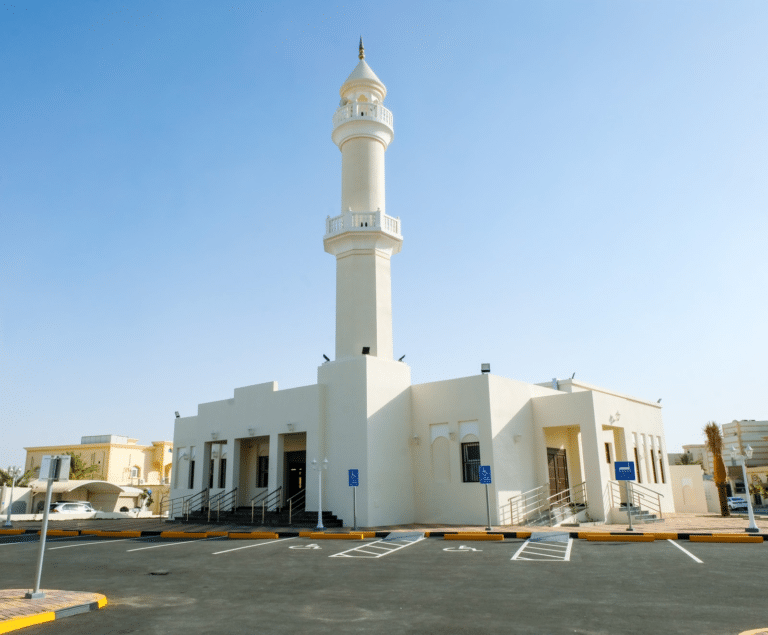
Qatar has just inaugurated its first smart mosque, and it is genuinely something different. The Qais bin Saad bin Ubadah Mosque in the Muaither area, opened on July 6, 2026 by the Ministry of Endowments (Awqaf) and Islamic Affairs, is not just a new place of worship. It is a full-scale example of what sustainable religious infrastructure looks like in 2026, combining traditional Islamic architecture with technology that reduces energy consumption, recycles water, and runs on solar power.
Here is what makes it smart, why it matters, and what comes next.
What Makes the Mosque “Smart”?
The Qais bin Saad bin Ubadah Mosque runs on solar energy, which powers the air conditioning and lighting systems, cutting reliance on conventional electricity entirely for those functions. The building includes a smart lighting system calibrated for energy efficiency, reducing unnecessary consumption during daytime and lower-occupancy periods.
The most remarkable feature, and the one that has caught the most attention, is the ablution water recycling system. Water used for wudu does not go to waste. It is treated and then redirected to irrigate the green spaces surrounding the mosque. Treated water is also reused in the restroom facilities. The result is a closed-loop water system inside a house of worship, something genuinely new for Qatar and unusual anywhere in the region.
Why This Matters
Qatar has more than 2,000 mosques, and they are among the highest-traffic public facilities in the country, open multiple times every day of the year. A mosque that significantly cuts electricity and water consumption is not a symbolic gesture. It is a scalable infrastructure shift, and Awqaf has made clear this is the beginning, not a one-off.
Mohammed bin Hamad Al Kuwari, Assistant Undersecretary for Da’wah and Mosques Affairs at the Ministry of Endowments, confirmed that more smart mosques are coming as part of the Ministry’s strategic expansion plan to keep pace with Qatar’s urban growth and population increase. The Ministry is already building mosques in new residential areas across the country, and this smart model is intended to be replicated across future projects.
Aligned with Qatar National Vision 2030
The mosque’s inauguration fits directly into Qatar National Vision 2030’s sustainability pillar, which prioritises reducing carbon emissions, improving environmental quality, and integrating modern technology into public infrastructure. This is also part of the Ministry of Endowments’ own Strategic Objectives 2025-2030, which specifically calls for upgrading mosque infrastructure to top-tier standards, enhancing religious services, and achieving sustainability across endowment projects.
The combination of Islamic architectural values with smart environmental technology is what the Ministry describes as a model for future projects. In their words, this is a beginning of a series of future initiatives toward smart and sustainable mosques.
Quick Facts
Mosque name: Qais bin Saad bin Ubadah Mosque Location: Muaither area, Doha, Qatar Inaugurated: July 6, 2026 First in Qatar: Yes, first smart mosque in the country Technologies: Solar energy, smart lighting, ablution water recycling Ministry: Ministry of Endowments (Awqaf) and Islamic Affairs Source: Qatar News Agency (QNA)
How to Open a Company in Qatar 2026: Complete Guide for Foreigners, Expats and Locals
The short answer is: starting a business in Qatar is genuinely easier than most people expect, and yes, foreigners can do it too. In fact, Qatar allows foreign investors to own up to 100% of companies in almost 1,000 permitted business activities. You do not need a Qatari partner for most things, you do not need to be a resident to check your eligibility, and the whole process can be done online in two to three days for around QAR 1,700 to QAR 2,200.
This guide covers everything. The three main ways to set up a business in Qatar, mainland versus QFC versus free zone, what type of company structure is right for you, what it costs, what documents you need, how the Single Window portal works, and whether you can start from home. All official, all current, all in one place.
For setting up the financial side of your business, check our guide to opening a bank account in Qatar which covers commercial banking options and what documents are needed.
The Three Ways to Set Up a Business in Qatar
Mainland (via MOCI Single Window): This is the most common route and what this guide focuses on. You register through the Ministry of Commerce and Industry’s Single Window portal. Most business types are available here, costs are lower, and the process is largely digital.
Qatar Financial Centre (QFC): The QFC is a separate financial and business hub with its own regulations, allowing 100% foreign ownership across a range of professional and financial services. It operates under English common law and is particularly popular with consulting firms, financial services, and international companies. Registration is separate from the MOCI process.
Free Zones: Qatar has established free zones including Ras Bufontas and Umm Alhoul, operating under the Qatar Free Zones Authority (QFZA). These offer 100% foreign ownership, zero corporate tax, and full profit repatriation, and are particularly suited to logistics, manufacturing, aviation and industrial activities.
This article focuses on the mainland MOCI registration route, which covers the vast majority of businesses people are setting up in Qatar.
Can Foreigners Start a Business in Qatar Without a Sponsor?
Yes. This is the part that surprises most people. Qatar’s investment law allows foreign investors to own more than 49% and up to 100% of companies in a wide range of permitted business activities. For GCC nationals, even more activities are open to 100% ownership.
For activities not on the fully open list, Qatari capital must own at least 51% of the company. And for a very small number of activities, 100% Qatari ownership is required.
The key step for foreigners who are not yet residents of Qatar is the Foreign Investor Eligibility Check, a free service on the Single Window portal that lets you confirm eligibility before committing to the process. It takes around five days and requires your passport, a business plan, proof of funding, company profile, financial projections, market analysis, a police clearance certificate, a credit report, and a recent photo.
Types of Company You Can Register in Qatar
Limited Liability Company (LLC): The most popular structure for businesses in Qatar. Can have between one and fifty shareholders. No minimum capital requirement. Each shareholder is only liable up to the value of their ownership interest. Requires Articles of Association certified by the Ministry of Justice.
Sole Proprietorship: Only available to Qatari and GCC nationals. One person only, no minimum capital. You cannot establish more than one sole proprietorship per person.
General Partnership: Minimum two natural persons, unlimited joint liability for all obligations. Partners manage the business together.
Simple Limited Partnership: Two categories of partners. General partners manage the company and have unlimited liability. Limited partners contribute capital and cannot manage the business.
Holding Company: Requires a minimum capital of QAR 10,000,000.
Private Joint Stock Company: Minimum five partners, minimum capital QAR 5,000,000.
Public Joint Stock Company: Minimum five partners, minimum capital QAR 10,000,000.
Home License: Available to Qatari nationals only. Allows a single commercial or professional activity to be run from home. No foreign workers permitted. One activity only per licensee.
How Much Does It Cost to Start a Business in Qatar?
The approximate cost for a standard mainland company registration through the Single Window is around QAR 1,700 to QAR 2,200 and takes two to three days. Here is the official fee breakdown:
Trade Name registration: QAR 500 for one business activity, plus QAR 300 for each additional activity.
Special legal forms: Branch of a foreign company, representative offices, and shareholding companies each carry an additional QAR 5,000 fee.
Qatar Chamber fees: Range from QAR 500 to QAR 10,000 depending on capital size and legal structure. For example, QAR 500 for capital under QAR 500,000, rising to QAR 5,000 for capital above QAR 5,000,000. Shareholding, holding, branches of foreign companies, and representative offices are charged at QAR 10,000.
Articles of Association attestation: QAR 500 for LLCs, QAR 1,000 for general and limited partnerships, QAR 2,000 for shareholding companies. Plus QAR 500 notarization for the first three copies.
Commercial Permit: QAR 500. Home license: QAR 300.
Establishment ID: QAR 200.
Factory establishment: Adds approximately QAR 1,000 for initial approval and industrial permit, with a total approximate cost of QAR 3,200 and a processing time of around three months.
How to Register a Business in Qatar Online: Step by Step
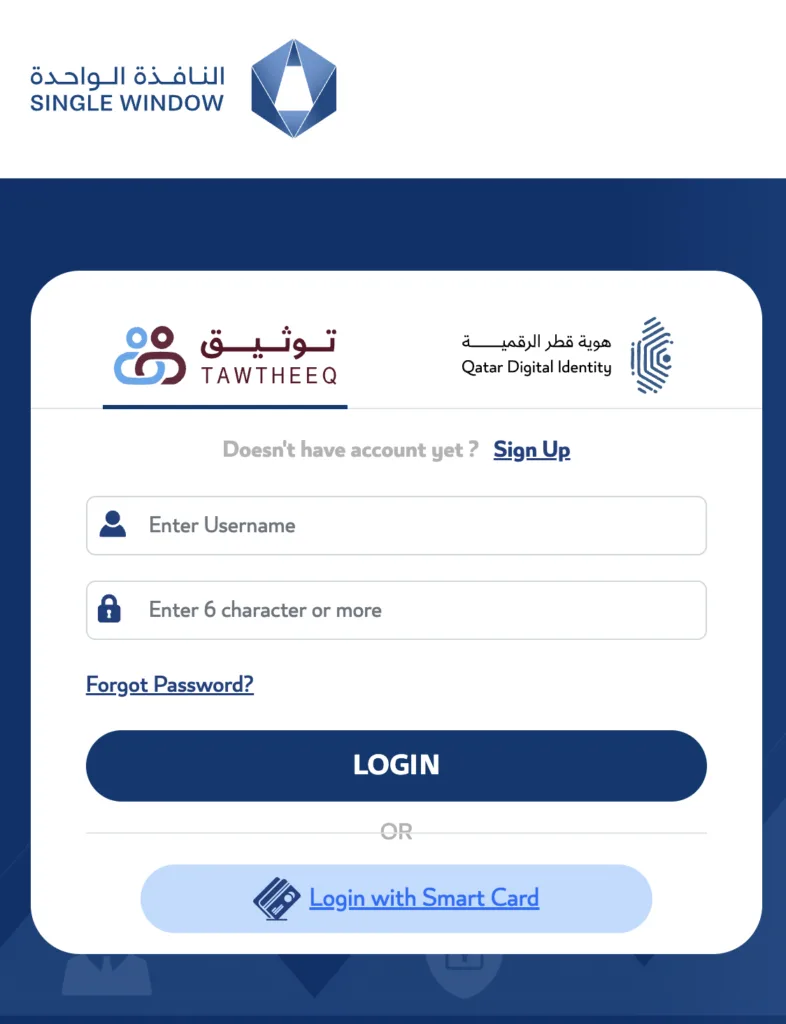
Everything is done through the Single Window portal at investor.sw.gov.qa. Here is how it works.
Step 1: Create a Tawtheeq account. Tawtheeq is Qatar’s National Authentication System. You need a valid Qatari ID to register. If you are a foreign investor who is not yet a resident, use the Foreign Investor Eligibility Check service first.
Step 2: Use the Business Setup Advisor. This is a free, non-binding tool on the Single Window that takes five to ten minutes. Answer a few questions about your intended legal form, business activity and location, and it gives you an indicative list of requirements, fees, documents and timelines. Highly recommended before you start the formal process.
Step 3: Check the Trade Name. Before applying, search for your intended trade name at the Single Window’s Trade Name Search tool (investor.sw.gov.qa). Your name must not be identical or similar to an existing registered name, must not include country names or government terms, must not use international trademarks like Bentley or similar, and must clearly reflect your business activity.
Step 4: Check Business Activities. Use the Business Activities Search Tool to confirm your intended activity is permitted, what ownership restrictions apply, and whether any external approvals are required before you can register.
Step 5: Apply through Comprehensive Establishment. Click on Start Your Business in the Single Window services. This single transaction covers trade name reservation, commercial registration, Memorandum of Association, commercial permit, Establishment ID, tax card, labour approvals, and any activity-specific licenses. Fill in the application, upload documents, sign the MoA digitally or by appointment, pay fees online, and receive all certificates electronically.
Step 6: License Your Business. Once your Commercial Registration is issued, if your premises are ready you can proceed to the commercial permit through the License Your Business service. If premises are not ready yet, the CR is issued and you receive an Under Construction License (valid for one year), after which you must complete the full licensing documentation.
Can Indians and Other Expats Start a Business in Qatar?
Yes. Indian nationals and expats from any country can start a business in Qatar as long as the business activity is in the permitted categories for foreign investors. For most activities, up to 100% foreign ownership is allowed. For others, a Qatari partner holding at least 51% is required.
Non-resident foreign investors should start with the Foreign Investor Eligibility Check service on the Single Window, which is free and takes around five days. This step is not required if you are already a resident of Qatar with a valid QID.
Starting a Small Business at Home in Qatar
The Home License is a legitimate option for Qatari nationals who want to run a small commercial or professional activity from their residence without going through the full commercial registration process. The license costs QAR 300 and is processed in one day.
The rules are straightforward: one activity only, no foreign employees, no outdoor advertising, and no transferring or leasing the license to anyone else. A small sign at the entrance is permitted. The activity must comply with health and environmental regulations.
Most Profitable Business Activities in Qatar
Qatar’s economy offers strong opportunities across several sectors. Construction and contracting remain in high demand as the country continues infrastructure development. Food and beverage businesses, particularly restaurants, cafes and food delivery operations, see consistently strong performance. Retail, trading and import businesses benefit from Qatar’s large import-dependent economy. Professional services including consulting, IT, marketing and HR are growing rapidly. Healthcare services are expanding as private sector involvement in health increases. Education, training and e-learning businesses serve a large expat family community with significant disposable income.
The Business Activities Search Tool on the Single Window portal lists all permitted activities with their ownership requirements, making it easy to confirm what is available in your specific sector.
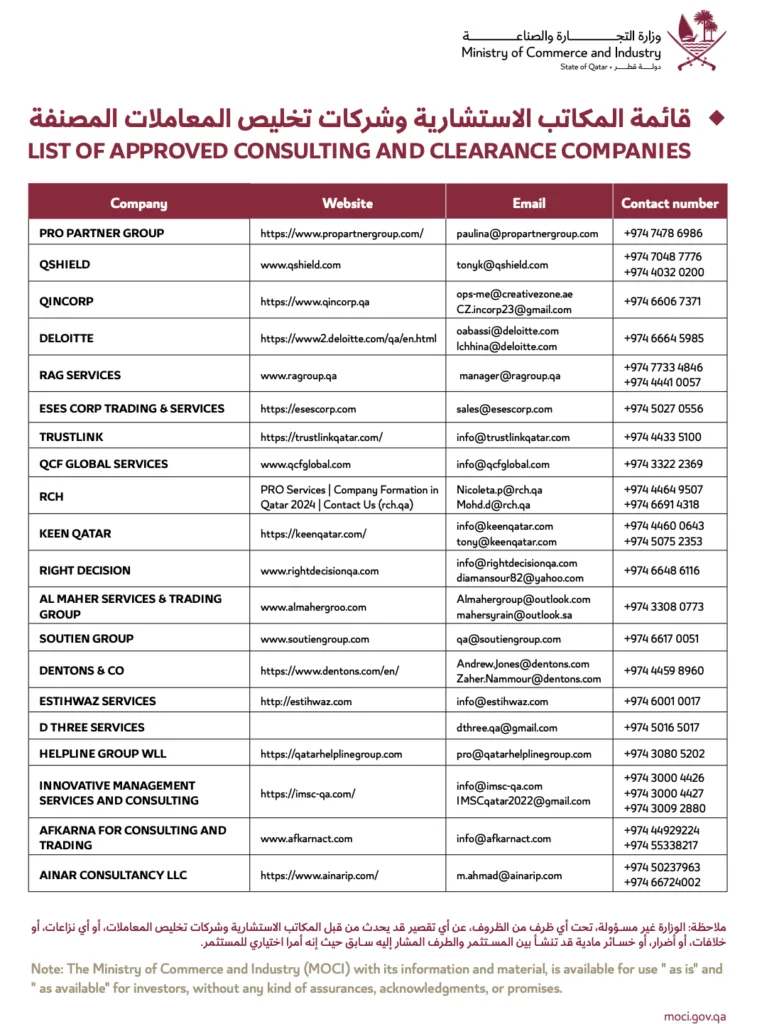
Company Formation Consultants in Qatar
If you want professional help navigating the registration process, several established company formation and PRO services operate in Qatar. These include Pro Partner Group (+974 7478 6986, propartnergroup.com), Qincorp (qincorp.qa, +974 6606 7371), Trustlink Qatar (trustlinkqatar.com, +974 4433 5100), Deloitte Qatar (+974 6664 5985), QCF Global Services (qcfglobal.com, +974 3322 2369), RCH (rch.qa, +974 4464 9507), Keen Qatar (keenqatar.com, +974 4460 0643), Right Decision (rightdecisionqa.com, +974 6648 6116), Helpline Group WLL (qatarhelplinegroup.com, +974 3080 5202), and Innovative Management Services and Consulting (imsc-qa.com, +974 3000 4426).
These firms can handle the paperwork, MOCI liaison, document authentication, and Tawtheeq setup on your behalf, which is particularly useful for foreign investors navigating the process for the first time.
Frequently Asked Questions
How much does it cost to start a business in Qatar?
Approximately QAR 1,700 to QAR 2,200 for a standard mainland company registration, processed in two to three days. Factory establishment costs approximately QAR 3,200 and takes around three months.
Can Indians start a business in Qatar?
Yes. Indian nationals and all foreign investors can start a business in Qatar. Most activities allow up to 100% foreign ownership. Non-residents should complete the Foreign Investor Eligibility Check first.
Can I start a business in Qatar without a sponsor?
Yes. Qatar does not require a local sponsor for most business activities open to foreign investors. You can own up to 100% of your company depending on the activity.
How do I register a company in Qatar online?
Through the Single Window portal at investor.sw.gov.qa using a Tawtheeq account. The Comprehensive Establishment service covers everything in one transaction.
What is the cheapest way to start a business in Qatar?
A home license for Qatari nationals costs QAR 300 and is processed in one day. For a mainland commercial registration, budget approximately QAR 1,700 to QAR 2,200.
Which business is most profitable in Qatar?
Construction, F&B, retail trading, professional services, healthcare and education are all strong sectors. Use the Business Activities Search Tool on the Single Window to explore permitted activities.
As stress, sleep disruption and burnout continue to affect people across all walks of life, Zulal Wellness Resort by Chiva-Som, the world’s largest wellness destination inspired by Traditional Arabic & Islamic Medicine (TAIM), invites guests to step away from the demands of everyday life and embark on a personalised journey towards renewed wellbeing. Blending modern wellness science with the timeless wisdom of TAIM, Zulal offers an integrative approach to mental, emotional and physical recovery.
Chronic stress and burnout can disrupt the nervous system, hormonal balance, sleep quality and overall wellbeing. Designed for today’s increasingly demanding lifestyles, Zulal’s Burnout Recovery Retreat addresses these challenges through a personalised programme that begins with a comprehensive Health & Wellness Consultation, enabling the multidisciplinary team to create an individual recovery pathway.
Inspired by TAIM principles, each retreat integrates signature wellness experiences including TAIM consultation with Mizaj assessment, holistic therapies, mindfulness practices such as meditation and pranayama, mindful movement, restorative spa therapies, physiotherapy and nourishing wellness cuisine. Together, these carefully curated experiences help regulate the nervous system, restore energy, improve sleep and build resilience for lasting wellbeing.
Supporting every journey is Zulal’s multidisciplinary medical and wellness team, providing expert-led guidance, burnout and stress screening, dermatology and longevity consultations where appropriate, alongside personalised nutrition consultations, wellness meal plan services, metabolic support and physiotherapy programmes that enhance recovery and optimise overall health.
For those new to wellness, Taste of Zulal offers the perfect introduction. This personalised retreat showcases the resort’s core wellness pillars—Spa, Fitness, Holistic Health and Physiotherapy—providing an inspiring first step towards a healthier and more balanced lifestyle.
This season, guests can further enhance any selected retreat with the Ultimate Summer Wellness Reset, a limited-time seasonal offer available for bookings until 30 September 2026, with stays from 1 July 2026 to 10 January 2027. Designed to complement each wellness journey, the offer includes premium accommodation, personalised wellness consultations, daily treatments, award-winning wellness cuisine at Al Sidr and Aizoon, and access to world-class wellness facilities, including hydrothermal pools, the Arctic Cave and the Himalayan Salt Room. Guests will also enjoy exclusive benefits including a QAR 250 Wellness Credit, enhanced wellness assessments, a Mini TAIM Consultation, Signature High Tea Experience, savings on à la carte wellness services, flexible early check-in or late check-out (subject to availability), and an additional 20% savings on stays of two nights or more.
Whether seeking relief from burnout, improved sleep, emotional renewal or simply the opportunity to reconnect with oneself, Zulal Wellness Resort by Chiva-Som offers a sanctuary where every journey is thoughtfully tailored to inspire lasting wellbeing. Through personalised support, expert guidance and continuity of care, guests are empowered to build healthier habits and continue their wellness journey long after they return home.
For more information or reservations, please email Zulal Wellness Resort by Chiva-Som at [email protected], call/WhatsApp +974 4477 6500 or visit www.zulal.com.