

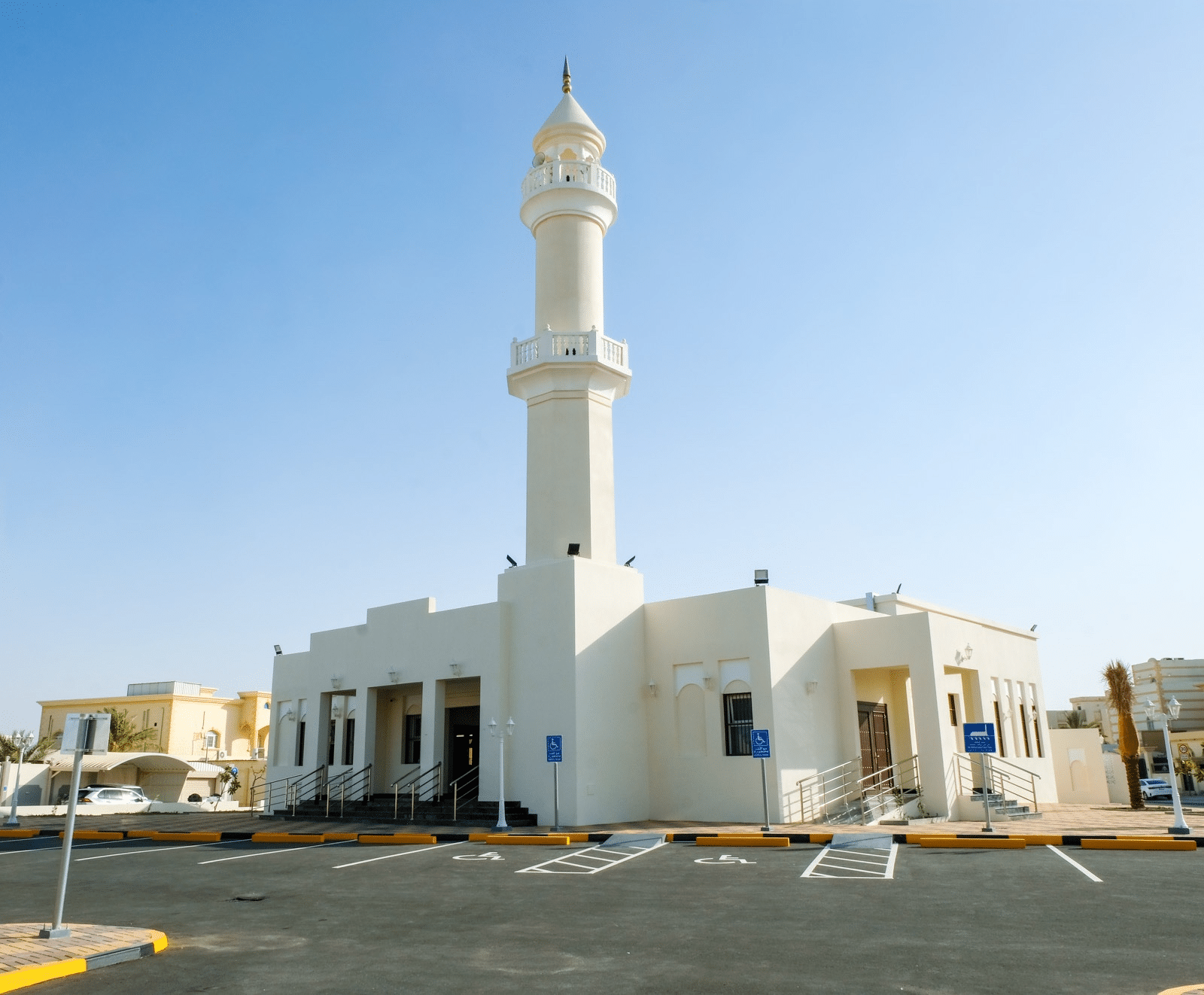
Qatar Opens Its First Smart Mosque in Muaither: Solar Power, Recycled Water and Smart Lighting
Qatar has just inaugurated its first smart mosque, and it is genuinely something different. The Qais bin Saad bin Ubadah Mosque in the Muaither area, opened on July 6, 2026 by the Ministry of Endowments (Awqaf) and Islamic Affairs, is not just a new place of worship. It is a full-scale example of what sustainable religious infrastructure looks like in 2026, combining traditional Islamic architecture with technology that reduces energy consumption, recycles water, and runs on solar power.
Here is what makes it smart, why it matters, and what comes next.
What Makes the Mosque “Smart”?
The Qais bin Saad bin Ubadah Mosque runs on solar energy, which powers the air conditioning and lighting systems, cutting reliance on conventional electricity entirely for those functions. The building includes a smart lighting system calibrated for energy efficiency, reducing unnecessary consumption during daytime and lower-occupancy periods.
The most remarkable feature, and the one that has caught the most attention, is the ablution water recycling system. Water used for wudu does not go to waste. It is treated and then redirected to irrigate the green spaces surrounding the mosque. Treated water is also reused in the restroom facilities. The result is a closed-loop water system inside a house of worship, something genuinely new for Qatar and unusual anywhere in the region.
Why This Matters
Qatar has more than 2,000 mosques, and they are among the highest-traffic public facilities in the country, open multiple times every day of the year. A mosque that significantly cuts electricity and water consumption is not a symbolic gesture. It is a scalable infrastructure shift, and Awqaf has made clear this is the beginning, not a one-off.
Mohammed bin Hamad Al Kuwari, Assistant Undersecretary for Da’wah and Mosques Affairs at the Ministry of Endowments, confirmed that more smart mosques are coming as part of the Ministry’s strategic expansion plan to keep pace with Qatar’s urban growth and population increase. The Ministry is already building mosques in new residential areas across the country, and this smart model is intended to be replicated across future projects.
Aligned with Qatar National Vision 2030
The mosque’s inauguration fits directly into Qatar National Vision 2030’s sustainability pillar, which prioritises reducing carbon emissions, improving environmental quality, and integrating modern technology into public infrastructure. This is also part of the Ministry of Endowments’ own Strategic Objectives 2025-2030, which specifically calls for upgrading mosque infrastructure to top-tier standards, enhancing religious services, and achieving sustainability across endowment projects.
The combination of Islamic architectural values with smart environmental technology is what the Ministry describes as a model for future projects. In their words, this is a beginning of a series of future initiatives toward smart and sustainable mosques.
Quick Facts
Mosque name: Qais bin Saad bin Ubadah Mosque
Location: Muaither area, Doha, Qatar
Inaugurated: July 6, 2026
First in Qatar: Yes, first smart mosque in the country
Technologies: Solar energy, smart lighting, ablution water recycling
Ministry: Ministry of Endowments (Awqaf) and Islamic Affairs
Source: Qatar News Agency (QNA)