

Qatar Security Alert July 12 2026: Elevated Threat, Stay Indoors, Threat Cleared at 5:54am
At 5:36 AM on Sunday July 12, 2026, residents across Qatar received a National Emergency Alert on their phones from the Ministry of Interior. The message was clear and urgent. The security threat level is elevated. Everyone must remain in their homes and safe places. Stay away from windows, glass facades and exposed areas until the threat has passed.
Eighteen minutes later, at 5:54 AM, a second alert confirmed that the security threat had been eliminated.
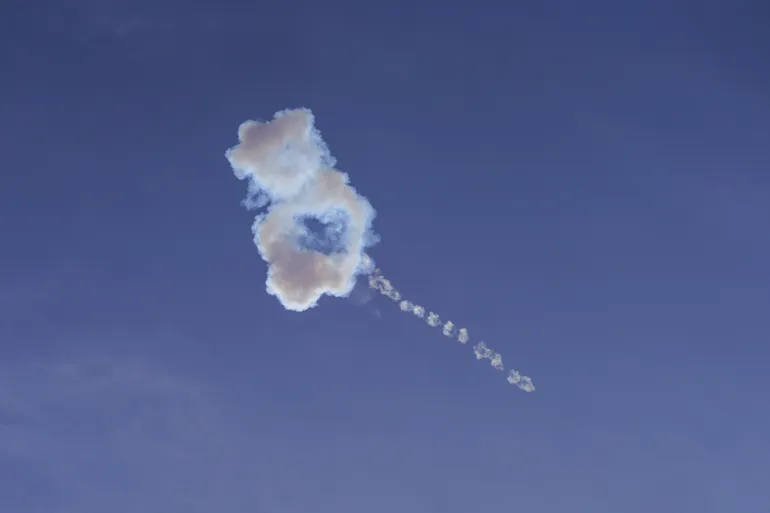
Many residents woke not to their phones but to the sounds themselves. Comments flooding in from across Doha described loud explosions that rattled windows and woke people from sleep. “The explosives woke me up, not the alert,” wrote one resident. “That was so loud.” Others said they were mid-morning walk when the sounds began.
What Happened: The Full Timeline
At 5:36 AM: Qatar’s Ministry of Interior issued a public safety alert notifying all residents that the security threat level is elevated, instructing everyone to remain indoors, stay away from windows and exposed areas, and follow official safety instructions.
At 5:54 AM: MOI Qatar confirmed via a second public safety notification that the security threat had been eliminated and the situation had returned to normal.
In Bahrain, sirens blared at approximately the same time. Bahrain’s Ministry of Interior activated air raid sirens and urged citizens and residents to remain calm and head to the nearest safe place.
In the UAE, the Ministry of Defense confirmed that its air defences were actively engaging incoming missiles and drone attacks from Iran, stating that explosions heard across the country were the sound of its defence systems intercepting those attacks.
Second National Emergency Alert Issued at 6:47 AM
A second National Emergency Alert was pushed to all phones in Qatar at 6:47 AM on Sunday July 12, carrying the same urgent instruction: the security threat level remains elevated, everyone must remain in their homes and safe places, and stay away from windows, glass facades and exposed areas until the threat has passed.
The second alert confirmed that the situation had not fully resolved after the 5:54 AM all-clear and that a renewed or ongoing threat required residents to return to shelter-in-place protocols.
Iran Claims Strike on Al Udeid Air Base in Qatar
Iran’s Islamic Revolutionary Guard Corps issued a statement claiming it targeted Al Udeid Air Base in Qatar, one of the largest US military installations in the world, hosting thousands of American personnel and significant air power.
The IRGC claimed it destroyed a fighter aircraft maintenance and repair centre as well as a command-and-control centre at the base.
Qatar’s Ministry of Defence has not confirmed any damage to Al Udeid. The Ministry’s earlier statement said armed forces intercepted a missile attack that targeted the State of Qatar, which is consistent with a successful interception of the projectile before it reached its intended target.
Al Udeid has been central to US military operations across the region and its presence in Qatar makes the country a direct strategic target in the current Iran-US escalation. Qatar’s air defence systems have now demonstrated their capability to respond under live combat conditions.
3 injured, including a child, in Qatar
Qatar’s Ministry of the Interior has confirmed that falling debris from interception operations have injured three people, including a child.
“The injured are receiving the necessary care,” it said in a statement.
The ministry said that following the Iranians attacks, security authorities and Civil Defence teams had initiated response procedures in accordance with approved emergency plans.
Qatar Ministry of Defence Confirms Missile Attack Was Intercepted
Qatar’s Ministry of Defence has issued an official statement confirming that Qatari armed forces successfully intercepted a missile attack that targeted the State of Qatar.
The statement reads: “The Ministry of Defense of State of Qatar announces that armed forces intercepted missile attack which targeted State of Qatar. May Allah protect Qatar, its Amir, its people, and all residents on its land.”
This is the first official confirmation from the Qatari defence establishment that Qatar itself was directly targeted, and that the country’s air defence systems successfully neutralised the incoming threat. The statement explains the loud explosions heard across Doha in the early hours of Sunday July 12, which many residents described as the most intense sounds they had heard, with some saying they were woken by the blasts before any alert reached their phones.
Qatar’s air defences intercepted the missile successfully. There are no immediate reports of casualties or structural damage. All residents are advised to continue following official updates from @MOI_Qatar and the Qatar Ministry of Defence on X until the situation is fully assessed and confirmed as stable.
Why Did This Happen: The Broader Context
This escalation is directly connected to the ongoing conflict between the United States and Iran centred on the Strait of Hormuz.
At around midnight GMT on July 12, US Central Command announced a third round of strikes on Iran. The US said it acted after accusing Iran’s Islamic Revolutionary Guard Corps of attacking a Cyprus-flagged container ship in the Strait of Hormuz, which was left unable to continue its journey due to an onboard fire and engine damage, with a crew member missing.
In response to the US strikes, explosions were reported across multiple Iranian port cities including Bandar Abbas, Sirik, Chahbahar, Bandar-e Deyr and Asaluyeh.
This third round of strikes followed earlier US attacks, triggered by Iran attacking ships in the waterway. Iran’s IRGC had also declared the Strait of Hormuz temporarily closed after firing a warning shot at a ship it said was taking an unapproved route.
Adding to the severity of the moment, Iran’s new Supreme Leader Ayatollah Mojtaba Khamenei, son of the late Ali Khamenei, pledged to avenge his father’s killing by US and Israeli forces. US President Donald Trump responded by threatening to, in his words, “decimate and destroy all areas of Iran” if any attempt is made to harm him.
Diplomatic channels remain active. Iran’s Foreign Minister met his Omani counterpart, with Oman reported to have proposed two separately controlled routes through the Strait of Hormuz, one through Iranian territorial waters and one through Omani waters.
What This Means for Qatar
Qatar hosts Al Udeid Air Base, one of the largest US military installations in the world. As US forces conduct strikes on Iran and Iran retaliates across the Gulf, Qatar sits directly within the radius of regional escalation. The activation of Qatar’s public safety alert system, and its rapid resolution, demonstrates both the proximity of the threat and the effectiveness of Qatar’s air defence and early warning capabilities.
Qatar also previously condemned the attack on its own LNG tanker Al Rekayyat earlier this month, holding Iran legally responsible. The country continues to serve as a diplomatic channel between regional and international parties, making its position both central and delicate in this ongoing crisis.
For the latest official updates, follow @MOI_Qatar and @MOD_Qatar on X. Do not rely on social media rumours. All official safety communications come directly from the Ministry of Interior.
What to Do if Another Alert Is Issued
If you receive a public safety alert in Qatar, go immediately indoors if you are outside. Stay away from windows, glass facades and exposed areas. Do not go to your balcony or rooftop. Remain inside until the official all-clear is confirmed via a second notification from the Ministry of Interior. Follow @MOI_Qatar on X for real-time updates.