
Qatar LNG Tanker Al Rekayyat Hit Near Strait of Hormuz: Iran Blamed, Full Details
A Qatari liquefied natural gas tanker has been struck near the Strait of Hormuz in what Qatar has condemned as an unacceptable attack on international maritime navigation and global energy security.
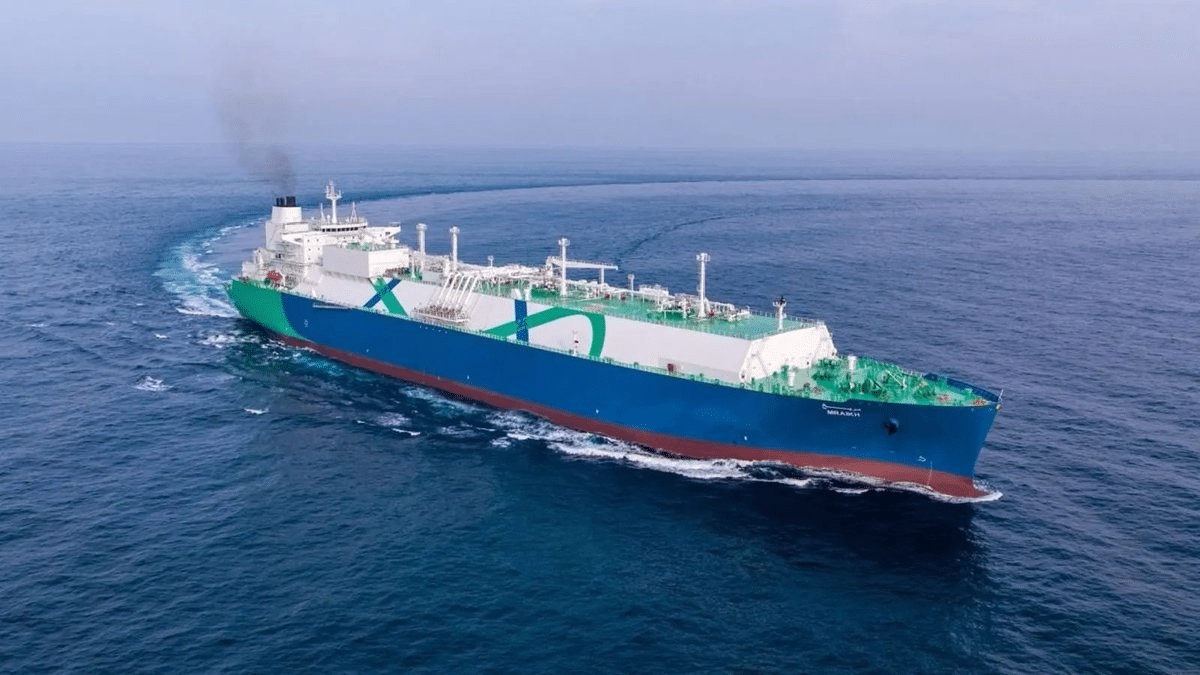
The Al Rekayyat, an LNG vessel owned and managed by Nakilat (Qatar Gas Transport Company Ltd), issued a mayday call after being hit on its port side near the engine room, with the captain reporting a fire and heavy smoke below deck. A Saudi-flagged supertanker, believed to be the Wedyan, was also reported damaged off Oman’s coast in the same incident on July 6, 2026.
Reuters reported that Iran’s Revolutionary Guards fired missiles at ships in the Strait of Hormuz waterway overnight.
What the Captain Said
The Al Rekayyat’s captain sent the following recorded distress call, reviewed by Reuters:
“Mayday mayday mayday. This is vessel Al Rekayyat, LNG vessel Al Rekayyat. We are being hit by drone on port side, top of engine room. Status: engine room fire and full of smoke. Unable to assess further damage.”
The vessel was loaded with LNG at the time of the attack and had been travelling with its transponders switched off. LSEG shipping data showed the vessel last transmitted its location on June 18, 2026.
Qatar’s Official Response
Dr. Majed Al Ansari, spokesman for Qatar’s Ministry of Foreign Affairs, issued a sharp statement condemning the attack in the clearest possible terms.
“Targeting the Qatari tanker Al Rekayyat while passing near the Strait of Hormuz constitutes a rejected aggression against the security and safety of international navigation, and the security of global energy supplies, and a grave and explicit violation of the provisions of international law, especially the rules that guarantee freedom of maritime navigation and safe passage in international straits.”
Qatar formally demanded that the Islamic Republic of Iran immediately cease all practices that undermine regional security, stop endangering global energy supplies, and end threats to international maritime navigation. Qatar stated it holds Iran fully legally responsible for this attack and for any damages and consequences that result from it.
Who Owns Al Rekayyat and What Does It Carry
Al Rekayyat is owned and managed by Nakilat, also known as Qatar Gas Transport Company Ltd, which operates one of the world’s largest LNG shipping fleets. The company trades under the ticker QGTS.QA and is a key logistics partner of QatarEnergy, the state energy company that makes Qatar one of the world’s largest exporters of liquefied natural gas.
This attack marks the first time an LNG ship from Qatar has been struck since the start of the Iran conflict at the end of February 2026. Iranian missile attacks had previously caused extensive damage to Qatar’s LNG facilities during the conflict.
The Saudi Tanker Wedyan Also Damaged
A Saudi-flagged tanker believed to be the supertanker Wedyan, owned and managed by Saudi shipping firm Bahri (4030.SE), was also reported damaged off Oman’s coast in what appears to be part of the same incident. The specific cause of damage to the Wedyan was not immediately confirmed, according to maritime security sources cited by Reuters.
Bahri, Nakilat, QatarEnergy, Qatar’s international media office, the Saudi government’s media office, and US Central Command had not responded to requests for comment at the time of the Reuters report.
Why the Strait of Hormuz Matters
The Strait of Hormuz is one of the most strategically critical waterways in the world. Approximately 20% of the world’s oil and a significant share of global LNG exports pass through this narrow channel between Iran and Oman. Any disruption to maritime passage here has immediate implications for global energy markets, oil prices, and energy security across Europe, Asia and beyond.
Qatar is one of the world’s leading exporters of LNG, and its shipping fleet transiting this strait is central to global gas supply chains. An attack on a Qatari LNG tanker in this waterway is not simply a bilateral incident. It is a direct threat to the stability of international energy supply.