Home Blog Page 4

Qatar Airways Resumes Bahrain, Kuwait and Erbil Flights From August 8

0

Qatar Airways Resumes Bahrain, Kuwait and Erbil Flights From August 8

Qatar Airways has confirmed that flights to Bahrain, Kuwait and Erbil will resume from 8 August 2026, bringing back services on three regional routes following a temporary suspension.

Which Qatar Airways Flights Are Resuming?

Starting 8 August 2026, Qatar Airways will resume flights between Doha and:

  • Bahrain (BAH)
  • Kuwait (KWI)
  • Erbil (EBL)

The airline had previously extended the temporary suspension of these routes through 7 August 2026.

What Should Passengers Do?

Passengers travelling to Bahrain, Kuwait or Erbil should check their individual flight status before heading to the airport, as schedules can change.

Check the latest Qatar Airways flight updates

Qatar Airways Launches Exclusive Qatar Boat Show 2026 Fares

International guests from over 160 destinations can enjoy exclusive savings to attend the third edition of Qatar Boat Show at Old Doha Port, Qatar

Old Doha Port today announced that Qatar Airways, the Official Travel Partner of Qatar Boat Show 2026, is offering exclusive discounted fares for visitors travelling to Doha to attend the third edition of the event, taking place from November 4-7, 2026.

Available across Qatar Airways’ global network of more than 160 destinations, the offer makes it easier for regional and international visitors, industry professionals, exhibitors, yacht owners, marine enthusiasts, and luxury travelers to experience one of the region’s leading maritime events.

Qatar Boat Show continues to build on its momentum by cultivating strategic partnerships that enhance the overall event experience. With each edition, Old Doha Port expands the show’s network of collaborators, introducing partnerships that make the event more seamless and rewarding for visitors from around the world.

Guests can access the special offers by entering a unique promo code at the time of booking. The code applies on applicable fares in Premium and Economy class, on one-way and return flights to Doha, originating from any airport in the Qatar Airways network. Bookings can be made until 7 November 2026, for travel between 25 October 2026 and 17 November 2026, giving visitors flexibility to plan their stay around the show and explore Qatar before or after the event.

The partnership reflects a shared commitment to elevating the international visitor experience by combining world-class connectivity with one of the region’s most anticipated maritime events, underscoring Qatar’s position as an accessible tourism gateway for major events across business and lifestyle.

To access the promo code and learn how to redeem the offer, visit boatshowqatar.com or check out Qatar Boat Show’s official social channels @qatarqoatshowofficial.

What Is the Sunflower Program at Doha Metro: Complete Guide for Passengers with Hidden Disabilities

0

Qatar Rail Sunflower Program: How the Doha Metro Supports Passengers with Hidden Disabilities

Not every disability is visible. Someone standing next to you in a metro carriage might be managing severe anxiety, living with autism, dealing with chronic pain, navigating hearing loss, or handling a neurological condition that makes the sensory environment of a busy station genuinely overwhelming. None of that shows from the outside. And for a long time, that invisibility made travelling on public transport quietly difficult for a significant number of people.

Qatar Rail has changed that with the launch of the Hidden Disabilities Sunflower program across the Doha Metro and Lusail Tram network. Here is exactly what the program is, how it works, how to get a badge, and which stations have dedicated Sunflower staff available.

What Is the Hidden Disabilities Sunflower Program?

The Hidden Disabilities Sunflower is a globally recognised initiative that began in England and has grown into a worldwide community support network used at airports, transport networks, shops, workplaces and public spaces across dozens of countries. The concept is simple and powerful. A sunflower symbol on a badge or lanyard is a voluntary, discreet signal that the wearer has a disability or condition that may not be immediately visible, and that they may need a little more time, understanding or assistance.

Qatar Rail has joined this global network by training dedicated staff across the Doha Metro and Lusail Tram stations to recognise the sunflower, proactively approach passengers who may need support, and provide tailored assistance based on individual needs. It is one of the most practical and human-centred accessibility initiatives that Qatar’s transport network has launched.

What Counts as a Hidden Disability?

Hidden disabilities, also called non-visible or invisible disabilities, are physical, mental, neurological or chronic conditions that are not immediately apparent to someone looking at you. Globally, one in six people live with some form of disability, and many of these are invisible.

Under the Sunflower program, staff are specifically trained to assist passengers who may be visually, verbally or hearing impaired, but the program extends to anyone with a non-visible condition including neurological conditions such as autism, ADHD and epilepsy, chronic illnesses such as diabetes, arthritis and chronic pain, sensory processing difficulties, respiratory conditions, mental health conditions including anxiety and depression, and cognitive or neurodevelopmental conditions.

The list is intentionally broad because the program’s philosophy is straightforward: just because you cannot see it does not mean it is not there.

How the Sunflower Program Works at Doha Metro and Lusail Tram

Dedicated Sunflower program staff are present at Doha Metro stations and selected Lusail Tram stations across the network. These staff members are specifically trained and do two things: they proactively observe passengers and approach those who appear to need assistance, and they also respond when approached by passengers wearing a Sunflower badge or lanyard.

The assistance is not one-size-fits-all. Staff customise their response to the individual. This can include identifying and using the communication method the passenger is most comfortable with, whether that is spoken, written, or non-verbal. It can include providing pocket maps of the metro or tram network. It can include physically accompanying a passenger from one station to another. It can include helping a passenger understand the route, the ticketing system, or any other aspect of their journey.

The program removes the need for anyone with a hidden disability to have to explain themselves repeatedly or advocate loudly for help. The sunflower does that quietly for them.

How to Get a Sunflower Badge or Lanyard at Doha Metro

Getting a badge or lanyard is completely free and takes less than a minute. Visit the Gold Club helpdesk at any Doha Metro station and ask for a Hidden Disabilities Sunflower badge or lanyard. Staff will provide it to you immediately. You can choose between a badge and a lanyard depending on what you are most comfortable wearing.

Once you have your sunflower indicator, trained staff across the network will know to approach you and offer assistance if they see you wearing it.

There is no application form. No documentation required. No proof of disability needed. The program is built on trust and dignity.

Which Lusail Tram Stations Have Sunflower Staff?

Dedicated Sunflower program staff are available across all Doha Metro network stations. At the Lusail Tram, the following stations have Sunflower assistance available:

Downtown Lusail, Naifa, Al Wessil, Tarfat South, Marina North, Yacht Club, Marina Central, Marina South, and Legtaifiya.

Why This Matters

Public transport can be a genuinely challenging environment for people with hidden disabilities. Busy platforms, loud announcements, crowds, time pressure, confusing signage and the social complexity of asking for help in a public setting all create barriers that most passengers never think about. The Sunflower program addresses these barriers quietly and without requiring anyone to make a scene or explain their condition to a stranger.

For expats, visitors, and residents in Qatar who have hidden disabilities or care for someone who does, this program means the Doha Metro and Lusail Tram are now significantly more accessible. It is worth knowing about whether you need it yourself or whether someone you know might benefit from it.

For more on getting around Doha on public transport, see our complete Doha Metro and Qatar transport guide.

Contact Qatar Rail

Phone: +974 105
Website: qr.com.qa
Instagram: @metrotram_qa

For more information on the global Hidden Disabilities Sunflower network, visit hdsunflower.com.


Frequently Asked Questions

What is the Sunflower program at Doha Metro?
The Hidden Disabilities Sunflower program is a Qatar Rail initiative that provides trained staff support at Doha Metro and Lusail Tram stations for passengers with non-visible or hidden disabilities. Passengers can wear a Sunflower badge or lanyard to indicate they may need assistance.

How do I get a Sunflower badge at Doha Metro?
Visit the Gold Club helpdesk at any Doha Metro station. Staff will provide you with a free Sunflower badge or lanyard immediately, with no documentation required.

Is the Sunflower badge free?
Yes. The badge and lanyard are provided free of charge at any Doha Metro Gold Club helpdesk.

Which hidden disabilities does the Sunflower program support?
The program supports any non-visible condition including visual, verbal or hearing impairment, neurological conditions, chronic illnesses, mental health conditions, sensory processing difficulties and cognitive disabilities. The list is inclusive rather than restrictive.

Are all metro stations included in the Sunflower program?
Yes, dedicated Sunflower staff are available across all Doha Metro network stations. At Lusail Tram, nine specific stations currently have Sunflower assistance available.

Does the Sunflower program require proof of disability?
No. The program operates on a voluntary, trust-based model. No documentation or proof is required to receive a badge or lanyard.


Sources: Qatar Rail, Hidden Disabilities Sunflower (hdsunflower.com)

When Does School Start in Qatar 2026: Full Academic Calendar with Holidays and Term Dates

0

Qatar School Calendar 2026-2027: Term Dates, Holidays, Exams and When School Starts

Parents, save this. Students, screenshot it. This is the complete Qatar school calendar for the 2026-2027 academic year with every date that matters, from when school starts in August to when the summer holiday begins in June, and everything in between including midterm breaks, exam periods and the Eid holidays.

The Ministry of Education and Higher Education (MOEHE) approved this academic calendar as part of a four-year plan covering 2023/2024 through 2026/2027. All dates are confirmed and apply to public schools. Private schools generally follow the same framework but may vary slightly, so always check with your specific school directly.

When Does School Start in Qatar 2026-2027?

Staff return: Sunday August 23, 2026

Staff preparation week: Sunday August 23 to Thursday August 27, 2026

Students start: Sunday August 30, 2026

The first week of the academic year, from August 23 to 27, is designated for staff training and professional development before students arrive on August 30.

Qatar School Summer Vacation 2026

The summer break for the 2025-2026 academic year ends on August 29, 2026. For the 2026-2027 academic year, summer break begins after June 28, 2027 and runs through to August 26, 2027. Staff and teachers return on August 29, 2027 for the next academic year.

For the current transition period, the 2025-2026 school year ended on June 28, 2026, and students return for 2026-2027 on Sunday August 30, 2026.

Full Qatar School Calendar 2026-2027: Every Date

  • August 23, 2026 (Sunday): School opens for staff. Preparation week begins.
  • August 30, 2026 (Sunday): First day of school for students, 2026-2027 academic year begins.
  • October 13 to October 22, 2026 (Tuesday to Thursday): First semester midterm exams.
  • November 1, 2026 (Sunday): Students return to school after midterm vacation.
  • December 13 to December 24, 2026 (Sunday to Thursday): First semester final exams for Grades 9, 10, 11 and 12.
  • December 27, 2026 (Sunday): Mid-year academic break begins.
  • January 10, 2027 (Sunday): Second semester begins for staff.
  • January 11, 2027 (Monday): Second semester begins for students.
  • February 23 to March 4, 2027 (Tuesday to Thursday): Mid-term exams for Grades 10 and 11.
  • June 13 to June 22, 2027 (Sunday to Tuesday): Second semester final exams.
  • June 28 to August 26, 2027 (Monday to Thursday): Summer break.
  • August 29, 2027 (Sunday): Start of school for the next 2027-2028 academic year.

Qatar International School (QIS) Term Dates 2026-2027

Qatar International School has published its own confirmed term dates for 2026-2027, which follow the British curriculum:

  • Term 1 starts: Sunday August 30, 2026
  • Midterm break: Thursday October 22 to Thursday October 29, 2026
  • Term 1 ends: Thursday December 17, 2026
  • Term 2 starts: Tuesday January 5, 2027
  • Midterm break: Sunday February 7 to Thursday February 11, 2027
  • Eid Al Fitr Holiday: Sunday March 7 to Thursday March 11, 2027
  • Term 2 ends: Tuesday March 30, 2027
  • Term 3 starts: Sunday April 4, 2027
  • Eid Al Adha Break: Sunday May 16 to Thursday May 20, 2027
  • Term 3 ends: Thursday June 24, 2027

Note: QIS has confirmed all dates are subject to change as per Ministry of Education updates.

Ramadan During the Qatar School Year 2026-2027

Ramadan is expected to fall in the second semester of the 2026-2027 academic year. The Ministry of Education has designed the calendar to ensure that mid-second-semester exams do not overlap with Ramadan, taking into account the religious and psychological wellbeing of students.

During Ramadan, Qatar public school hours are reduced. Students at public schools typically start at 8:30 AM and finish at noon. Private schools must offer at least five hours of instruction during Ramadan but timings may differ by school.

Qatar National Day and School Exams

Qatar National Day falls on December 18, 2026. In the 2026-2027 academic calendar, first semester final exams for senior grades are scheduled from December 13 to December 24, meaning the National Day celebrations fall within the exam period. The Ministry of Culture’s vision is to allow students to actively participate in National Day celebrations while managing the exam schedule around this.

The Test Day, Rest Day Policy

Qatar has introduced a “Test Day, Rest Day” policy specifically for high school certificate students. This means that between each exam, students have a rest day built into the schedule to review material and prepare mentally for their next paper. This is a significant change from previous years and is worth knowing if you have a child in the senior high school years.

How School Holidays Work in Qatar

A school year in Qatar must include at least 180 teaching days. The academic calendar is structured around Qatar’s official public holidays to maintain an uninterrupted learning experience. The first semester from August to December includes Qatar National Day as the major holiday period. The second semester from January to June includes Ramadan, Eid Al Fitr and Eid Al Adha.

The midterm vacation in the first semester is one week in October. The second semester does not have a separate midterm vacation, as the Eid holidays provide natural breaks across that period.


Frequently Asked Questions

When does school start in Qatar for the 2026-2027 academic year?
Staff return on Sunday August 23, 2026 for preparation. Students begin on Sunday August 30, 2026.

What is the Qatar school summer vacation for 2026?
The 2025-2026 academic year ends June 28, 2026. Students return for 2026-2027 on August 30, 2026. The next summer break begins June 28, 2027 and runs to August 26, 2027.

When is the midterm break for Qatar schools 2026-2027?
The first semester midterm falls from October 13 to October 22, 2026, with students returning November 1.

When are final exams for Qatar schools 2026-2027?
First semester finals for Grades 9 to 12 run December 13 to December 24, 2026. Second semester finals run June 13 to June 22, 2027.

Is the Qatar school calendar 2026-2027 confirmed?
Yes. The Ministry of Education and Higher Education confirmed this calendar as part of a multi-year approved academic schedule. Individual private schools may vary slightly, so check directly with your school.

What is the school year in Qatar?
The Qatar school year runs from late August to late June, divided into two semesters with a mid-year break in late December and January.


Note: All dates are based on MOEHE announcements and approved school calendars. Dates are subject to change as per Ministry of Education updates. Always confirm term dates directly with your school.

How to Learn Arabic for Free in 2026: Qatar University edX Course Complete Guide

0

Free Online Arabic Course 2026: Qatar University Offers Three Levels for Non-Arabic Speakers on edX

If learning Arabic has been sitting on your to-do list for years but you never quite found the right place to start, this is the sign you needed. Qatar University offers a completely free online Arabic course through the edX platform called “Arabic for Non-Arabic Speakers,” and it is structured across three progressive levels that take you from zero knowledge all the way to real conversational ability.

No prior knowledge required. No fees. No excuse not to start.

Why Learn Arabic?

Arabic is the fifth most spoken language in the world with over 420 million native speakers across 22 countries. It is the official language of the entire Arab world, the language of the Quran, and one of the six official languages of the United Nations. For anyone living in Qatar or the wider Gulf region, for anyone working with Arab businesses or communities, or for anyone simply interested in one of the world’s great language and cultural traditions, Arabic opens doors that almost nothing else does.

And for expats already living in Doha, even basic conversational Arabic transforms daily interactions. Locals genuinely appreciate the effort and it builds connections that English alone never will.

About the Course: Arabic for Non-Arabic Speakers

Qatar University’s “Arabic for Non-Arabic Speakers” course on edX is designed specifically for people with no background in the Arabic language. It does not assume you know the alphabet, the grammar, or anything else. It starts from the very beginning and builds systematically through three levels.

The course is available on edX, one of the world’s most trusted online learning platforms originally founded by Harvard and MIT, now hosting courses from top universities worldwide including Qatar University.

How to find it: Search “Arabic for Non-Arabic Speakers edX Qatar University” on edX or go directly to edx.org and search the course title.

What Each Level Covers

Level 1: The Foundations

Level 1 is where everything starts. You will learn the Arabic alphabet, basic pronunciation, simple vocabulary, and your first conversational phrases. No grammar knowledge is assumed or required going in. By the end of Level 1, you will be able to read Arabic letters, recognise simple words, and handle basic exchanges. This is the level that most people find both the most challenging and the most satisfying, because going from zero ability to reading a new script in just a few weeks is a real achievement.

Level 2: Everyday Communication

Level 2 builds on what you learned in Level 1 and shifts focus toward practical daily use. You will learn to introduce yourself, talk about common topics, and form simple sentences for social situations and travel. By the end of this level, you will be able to hold basic conversations with Arabic speakers about familiar subjects, which is where the language starts to feel genuinely useful rather than academic.

Level 3: Real Conversations

Level 3 is where everything comes together. The focus moves to daily routines, past experiences, travel scenarios and health-related vocabulary, along with the grammatical structures that let you connect ideas more naturally. By the end of Level 3, you will be able to engage in real back-and-forth conversations with Arabic speakers on a range of everyday topics.

Who Is This Course For?

This course is built for complete beginners, expats living in Qatar or the Gulf who want to connect more meaningfully with local culture and community, travellers planning to visit Arab countries, students and professionals working with Arab businesses or organisations, anyone who has always wanted to learn Arabic but found other resources too academic or too expensive, and people learning Arabic for cultural, religious or personal reasons.

The course structure of three progressive levels also makes it ideal for people who want to move at their own pace, completing one level and returning to the next when they are ready.

Why Qatar University on edX

Qatar University is the country’s flagship national university and has been developing Arabic language and education programmes for decades. Their edX partnership brings that expertise to a global audience in a format that is accessible, self-paced and free.

edX courses from university partners are typically available as free audits, meaning you can access all the learning content at no cost. If you want a verified certificate at the end of each level, there is usually a fee for that option, but the core learning content is free to access.

How to Start

Go to edx.org and search “Arabic for Non-Arabic Speakers Qatar University” or search directly for “Arabic for Non-Arabic Speakers edX Qatar University.” Create a free edX account if you do not already have one, enroll in Level 1 and begin. The course is self-paced, so you can fit it around your schedule.

Frequently Asked Questions

Is the Qatar University Arabic course on edX really free?
Yes. The core course content is available free to audit. A paid verified certificate option is available if you want official proof of completion.

Do I need any Arabic knowledge to start?
No. Level 1 starts from absolute zero, including teaching the Arabic alphabet from scratch.

How many levels are in the Qatar University Arabic course?
Three levels. Each builds on the previous one, taking you from the alphabet to real conversational Arabic.

How long does each level take?
edX courses are self-paced. The time depends on how much you study per week, but most learners complete each level over several weeks of regular study.

Where can I find the course?
Search “Arabic for Non-Arabic Speakers edX Qatar University” at edx.org.

Can I take all three levels?
Yes. The three levels are designed to be taken in sequence, with each building on the skills from the previous level.

Posting Your Boarding Pass? Qatar Issues Important Warning

0

Qatar Warns Travellers: Don’t Share Boarding Pass Photos Online

That airport boarding pass photo might seem harmless, but Qatar’s National Cyber Security Agency (NCSA) is warning travellers to think before posting it on social media.

On August 3, 2026, the agency warned that sharing a photo of your boarding pass online could expose personal information and travel details through the QR code printed on the ticket.

Why You Should Hide Your Boarding Pass QR Code

A boarding pass can contain more information than travellers may realise.

According to Qatar’s NCSA, the printed QR code can potentially reveal personal data and details about your journey. The agency therefore advised travellers who want to share their airport moments online to completely conceal their information first.

Cybersecurity experts have long warned that boarding pass barcodes can contain passenger and booking information. Depending on the airline and booking system, exposed details may potentially be used to access additional reservation information.

Posting Your Boarding Pass? Do This First

Before uploading an airport photo to Instagram, Snapchat, TikTok, X or any other social media platform, check what is visible.

Make sure you completely hide the:

  • QR code or barcode
  • Booking reference or PNR
  • Passenger details
  • Flight and travel information
  • Frequent flyer details, if displayed

Simply covering your name may not be enough if the QR code remains visible.

The message from Qatar’s National Cyber Security Agency is simple: share the travel moment, not your personal information.

Source: National Cyber Security Agency, Qatar

What Happens to Gaza Ceasefire Now? Qatar, Egypt and Türkiye Respond

0

Qatar, Egypt and Türkiye Condemn Israeli Violations in Gaza

Qatar, Egypt and Türkiye have issued a joint statement strongly condemning ongoing Israeli violations in the Gaza Strip, particularly attacks targeting healthcare facilities and medical infrastructure that have resulted in civilian casualties, including women and children.

The three mediators called on Israel to comply with international law and uphold its commitments under the Gaza ceasefire agreement, warning that continued violations could undermine efforts to implement the agreement’s second phase.

They also called for the protection of civilians, medical facilities and humanitarian workers, along with the unhindered delivery of humanitarian aid and medical supplies across Gaza.

The mediators urged the international community to pressure Israel to fulfil its obligations and prevent further escalation, stressing the need to protect efforts towards a permanent ceasefire and an end to humanitarian suffering in Gaza.

Source: Qatar Ministry of Foreign Affairs (MOFA Qatar), 3 August 2026.

Do You Need an Oman Visa? Check the New 14-Day Rule

0

Oman Announces 14-Day Visa-Free Entry for 100+ Nationalities: Check If You’re Eligible

Planning a quick trip to Oman from Qatar or elsewhere in the GCC? Before applying for an Oman tourist visa, check your passport.

Oman allows visitors from more than 100 countries and regions to enter without an entry visa for stays of up to 14 days, subject to eligibility requirements. The policy is designed to make travel to Oman easier and support tourism, according to official Omani information.

The rules are particularly useful for travellers searching for Oman visa-free entry, Oman visa for Indians, Oman visa for GCC residents, Oman tourist visa requirements and the latest Oman visa rules in 2026.

Oman 14-Day Visa-Free Entry: What You Need to Know

Eligible visitors can stay in Oman for up to 14 days without obtaining an entry visa, but the exemption comes with conditions.

Travellers must generally have:

  • A passport valid for at least six months
  • A confirmed return ticket
  • A confirmed hotel reservation
  • Valid health insurance
  • Sufficient funds for their stay

Most importantly, the 14-day period cannot be extended or converted into a residence visa.

There are also two different groups of eligible nationalities, and the rules are not identical.

Group 1: Oman Visa-Free Countries

Travellers holding passports from the following countries and territories are included in the first group:

Europe: Albania, Andorra, Armenia, Austria, Belarus, Belgium, Bosnia and Herzegovina, Bulgaria, Croatia, Cyprus, Czech Republic, Denmark, Estonia, Finland, France, Georgia, Germany, Greece, Hungary, Iceland, Ireland, Italy, Latvia, Liechtenstein, Lithuania, Luxembourg, North Macedonia, Malta, Moldova, Monaco, Netherlands, Norway, Poland, Portugal, Romania, San Marino, Serbia, Slovakia, Slovenia, Spain, Sweden, Switzerland, Ukraine, United Kingdom and Vatican City.

Americas: Argentina, Bolivia, Brazil, Canada, Chile, Colombia, Ecuador, Paraguay, Suriname, United States, Uruguay and Venezuela.

Asia-Pacific, Middle East and other eligible countries/regions: Australia, Brunei Darussalam, China, Hong Kong, Macau, Indonesia, Iran, Japan, Kazakhstan, Lebanon, Malaysia, Mauritius, New Zealand, Philippines, Russia, Seychelles, Singapore, South Africa, South Korea, Thailand, Turkey and Uzbekistan, along with French Guiana.

Important 2026 update: the Philippines is now included. Oman announced in December 2025 that the Philippines would be added to the short-visit visa-exemption list from 2026.

Group 2: Conditional Oman Visa-Free Entry

The second group includes:

Algeria, Azerbaijan, Bhutan, Costa Rica, Cuba, Egypt, El Salvador, Guatemala, Honduras, India, Jordan, Kyrgyzstan, Laos, Maldives, Mauritania, Mexico, Morocco, Nicaragua, Panama, Peru, Tajikistan, Tunisia, Turkmenistan and Vietnam.

This is where travellers need to pay closer attention.

Being a citizen of one of these countries does not automatically mean unconditional visa-free entry.

To use the 14-day facility, travellers from Group 2 must additionally meet one of the qualifying conditions.

They must either hold a valid visa or residency for the United States, Canada, Australia, United Kingdom, Japan or a Schengen country, or be a GCC resident whose profession qualifies under Oman’s applicable resident-visa rules.

Is Oman Visa-Free for Indians in 2026?

Yes, but with conditions.

India appears in Oman’s second group. An Indian passport alone therefore does not provide the same unconditional exemption available to Group 1 travellers.

An Indian traveller can qualify for the 14-day Oman visa exemption when they satisfy the required conditions, such as holding an eligible visa/residency from the US, Canada, Australia, UK, Japan or Schengen area, or qualifying as a GCC resident under the applicable profession rules.

This distinction is especially important for Indian residents travelling from Qatar, UAE, Saudi Arabia, Kuwait or Bahrain.

Travelling From Qatar to Oman? Here’s What Matters

For Qatar residents, the rule depends on your nationality and residency status.

If you are a Qatari citizen, you do not need a visa to enter Oman. The same applies to citizens of the other GCC member states: Bahrain, Kuwait, Saudi Arabia and the UAE.

If you are an expat living in Qatar, your Qatar residency can potentially help you qualify under the Group 2 rules, but your nationality, residency status and profession still matter.

So, being a Qatar resident does not automatically make every passport visa-free for Oman.

Can You Extend the Free 14-Day Stay?

No.

Oman’s official guidance states that the visa-exempt stay is limited to 14 days and cannot be extended or transferred to another type of residence visa.

If you’re planning to remain in Oman for longer, check the appropriate visa before travelling.

What About Your Spouse and Children?

There is another useful provision for families.

The exemption can also apply to the husband, wife and children accompanying an eligible traveller, even when they are not nationals of the qualifying country, subject to the applicable entry conditions.

That could make short family trips to Muscat, Salalah and other destinations in Oman considerably easier for eligible travellers.

Not Eligible? Check Your Oman eVisa

If your nationality or circumstances do not qualify for visa-free entry, you can check your visa options through the Royal Oman Police eVisa system.

Official Royal Oman Police eVisa Portal

The ROP manages Oman visa procedures and provides the online system for travellers who need to obtain an appropriate visa.

Because eligibility can depend on nationality, residency, profession and supporting documents, travellers should verify their individual status through official Omani channels before booking or flying.

Oman Visa-Free Entry 2026: Quick Checklist

Before heading to the airport, make sure you have:

  • Passport valid for at least six months
  • Return or onward ticket
  • Confirmed accommodation
  • Valid health insurance
  • Proof of sufficient funds
  • Any qualifying foreign visa or residence permit required for Group 2
  • Valid GCC residency and qualifying profession, where applicable

And remember the most important number: 14 days.


FAQs About Oman Visa-Free Entry

Is Oman visa-free for tourists in 2026?

Oman provides visa-free entry for stays of up to 14 days to citizens of more than 100 eligible countries and regions, subject to specific conditions.

Is Oman visa-free for Indian passport holders?

Indian citizens are included in Group 2, meaning additional eligibility conditions apply. A qualifying visa/residency from certain countries or eligible GCC residency may be required.

Do Qatar citizens need a visa for Oman?

No. Qatari citizens, like citizens of Bahrain, Kuwait, Saudi Arabia and the UAE, do not require visas to enter Oman.

Can Qatar residents travel to Oman visa-free?

Some expatriate Qatar residents can qualify for the 14-day exemption depending on their nationality, GCC residency and profession. Qatar residency by itself should not be treated as automatic eligibility.

Can the Oman 14-day visa-free stay be extended?

No. Official guidance says the 14-day visa-free period cannot be extended or converted into a residence visa.

Where can I check my Oman visa eligibility?

Use the official Royal Oman Police eVisa portal:

Check Oman Visa Eligibility and Apply Online
See Erwin Wurm’s Famous Fat Car Free at Place Vendôme

Pink Convertible Big by Erwin Wurm Is Now on Display at Place Vendôme Qatar

If you have walked past Place Vendôme recently and done a double take at what appears to be an enormous, impossibly bloated pink convertible, you are not imagining things. Qatar Museums has installed Pink Convertible Big by internationally acclaimed Austrian artist Erwin Wurm, and it is now open to the public at Place Vendôme in Lusail.

It is free to see. It is genuinely striking. And it is worth knowing the story behind it.

What Is Pink Convertible Big?

Pink Convertible Big is part of Erwin Wurm’s celebrated Fat Car series, one of the most recognised bodies of work in contemporary sculpture. The series takes everyday automobiles and exaggerates their forms dramatically, inflating and swelling their shapes into distorted, almost cartoon-like versions of the originals, as though the cars have absorbed far too much of something and cannot hold their shape anymore.

This specific piece is crafted from cast aluminium and finished with a vibrant lacquer in the kind of pink that is impossible to ignore. The result is a sculpture that is simultaneously funny, unsettling and deeply thought-provoking once you understand what Wurm is saying with it.

Who Is Erwin Wurm?

Erwin Wurm is an Austrian conceptual artist born in 1954 and recognised as one of the most significant sculptors working today. He is best known for the Fat Car series and his One Minute Sculptures, in which he asked ordinary people to hold unusual poses with everyday objects for exactly one minute. His work has been exhibited at the Venice Biennale, the Museum of Modern Art in New York, the Tate in London, and major institutions across Europe, the United States and Asia.

Wurm’s Fat Car series in particular has become iconic in contemporary art because it uses humour as a vehicle, literally, for serious commentary on consumerism, excess and the social meanings we attach to status objects. Cars are among the most loaded symbols of identity, wealth and aspiration in modern culture, and bloating one to an absurd scale forces viewers to confront that loading in a way that is both amusing and slightly uncomfortable.

What Does the Sculpture Mean?

Pink Convertible Big invites viewers to reflect on a culture shaped by overconsumption. The car has long been one of the most potent status symbols in modern life, particularly in Gulf culture where automobiles carry enormous social and aspirational weight. By exaggerating the form to the point of absurdity, Wurm strips away the glamour and asks a simple question: why do we value these things so much, and what does that say about us?

It is not a lecture. It is a giant pink inflatable-looking car that makes people stop and stare and then laugh, and then think. That is Erwin Wurm’s particular genius.

Qatar Auto Museum Connection

The installation at Place Vendôme is presented as part of the vision for the future Qatar Auto Museum, which Qatar Museums is developing as part of its expanding cultural infrastructure. The Qatar Auto Museum project explores the cultural significance of the automobile and its evolving role in society, with Pink Convertible Big serving as an early public engagement piece for that vision.

Qatar already has one of the world’s most impressive automotive collections in its private sector, and the Qatar Auto Museum is expected to bring significant parts of that into public view alongside internationally curated works and cultural programming around the car as an object of art, design, technology and social history.

Where to See It and How to Visit

Pink Convertible Big is currently installed at Place Vendôme in Lusail, Doha. Entry is free and the work is visible during Place Vendôme’s regular operating hours. No booking or ticket is required.

Place Vendôme is easily accessible by the Doha Metro Red Line via Lusail Station, or by car with parking available at the mall.


Frequently Asked Questions

What is the big pink car at Place Vendôme Qatar?
It is Pink Convertible Big, a sculpture by internationally acclaimed artist Erwin Wurm, part of his Fat Car series. It is made from cast aluminium and lacquer and is on public display at Place Vendôme, Lusail.

Who made the Fat Car sculpture at Place Vendôme?
Austrian artist Erwin Wurm, one of the world’s most recognised contemporary sculptors.

Is it free to see the Erwin Wurm sculpture at Place Vendôme?
Yes, the installation is open to the public at no charge.

What is the Fat Car series?
The Fat Car series is Erwin Wurm’s body of work featuring dramatically inflated and distorted car sculptures that comment on consumerism, materialism and the cultural status of automobiles.

Is this connected to the Qatar Auto Museum?
Yes. The installation is presented as part of the vision for the future Qatar Auto Museum, which is being developed by Qatar Museums.


Source: Qatar Museums, @qatarmuseums on Instagram.

Doha Festival City’s Biggest Makeover Brings Major New Brands

0

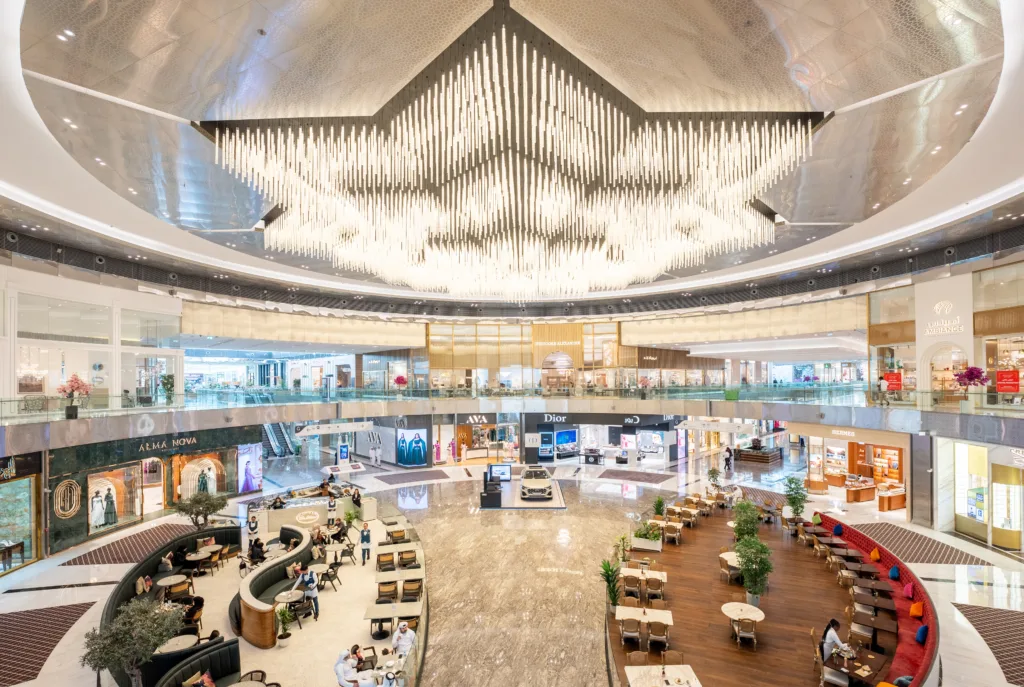
A landmark investment introducing new retail, dining and lifestyle experiences, bringing together extensive asset enhancements and major retail partner investments, supported by AI-driven innovation and a comprehensive enhancement of the customer journey.

Doha Festival City, Qatar’s leading retail, leisure and lifestyle destination, has announced a combined investment of up to QAR 400 million by Doha Festival City and participating retail partners to deliver its most ambitious transformation since opening. The programme reflects the destination’s long-term confidence in Qatar’s economic growth and retail sector, reinforcing its commitment to continuously elevate the customer experience while shaping the next generation of retail destinations in the country.

The transformation will introduce a comprehensive enhancement of the mall environment, improving comfort, accessibility and convenience for visitors.

Alongside the refurbishment programme, Doha Festival City will continue to strengthen its position as Qatar’s home of first-to-market retail concepts through an exciting evolution of its tenant mix. Major additions include Primark’s first store in Qatar, Ulta Beauty, and Zara’s flagship expansion and refurbishment, together with a curated pipeline of international and regional brands that will further enrich the mall’s retail offering and reflect Al-Futtaim’s role in managing the destination and leading its long-term strategy and enhancement plans.

A key pillar of the transformation will be a comprehensive evolution of the mall’s dining experience, introducing new F&B concepts across casual dining, cafés and elevated culinary concepts. The new strategy will create distinctive social destinations that encourage longer dwell times while catering to the evolving lifestyle expectations of residents and international visitors alike, further positioning Doha Festival City as Qatar’s leading lifestyle destination beyond traditional retail.

Complementing the physical transformation, Doha Festival City will introduce a targeted suite of AI-powered solutions improving operational efficiency and the overall visitor experience. These include an AI Concierge, AI-enabled Facilities Management (CAFM), intelligent environmental monitoring and climate optimisation systems, together with a smart parking management platform providing real-time guidance, improved traffic flow and a more convenient arrival experience.

The destination will also introduce Festival Touch, a new hospitality philosophy centred around personalised service, thoughtful interactions and memorable moments that create meaningful emotional connections with every guest.

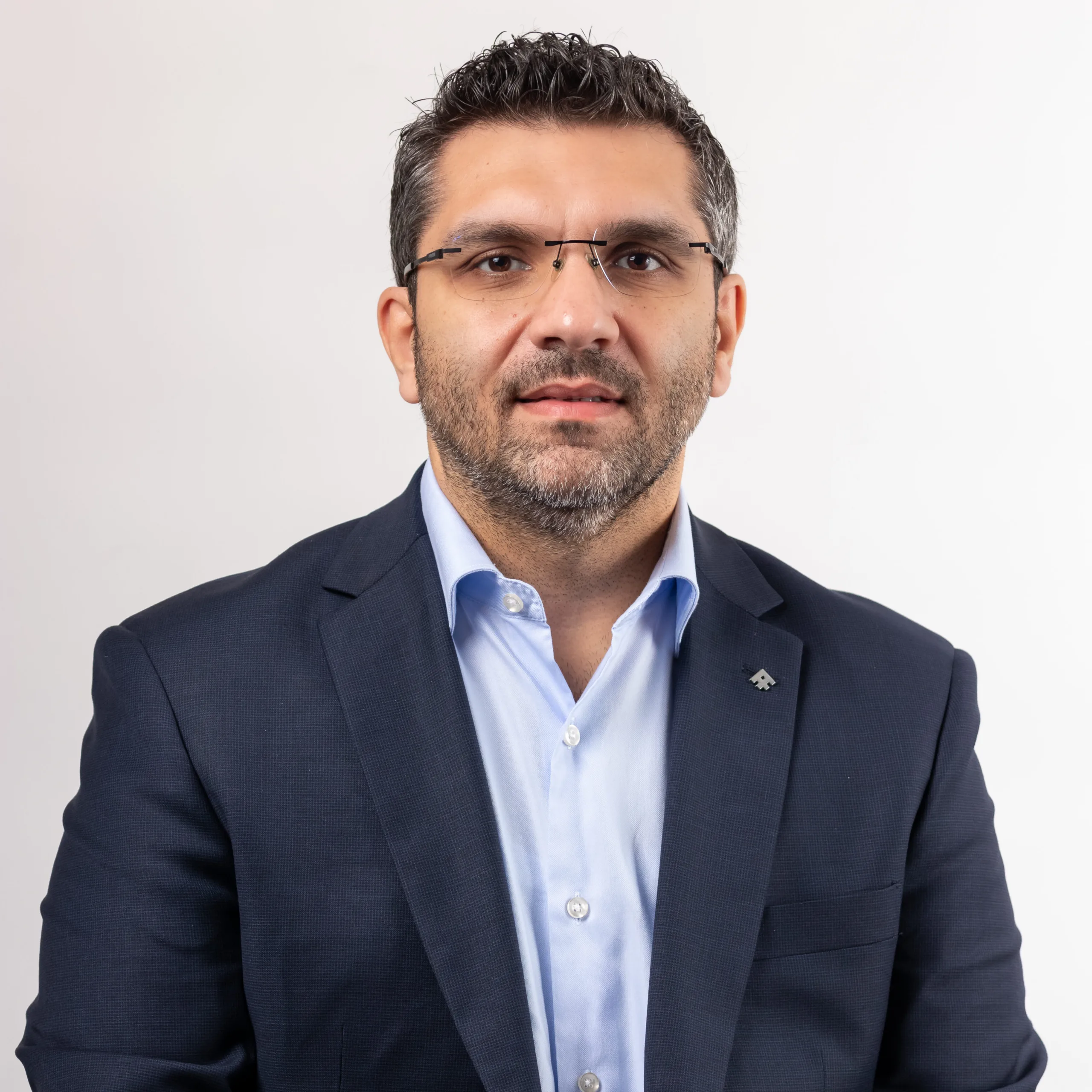
Commenting on the announcement, Hayssam Hajjar, Executive Director – Malls & Retail Assets, Al-Futtaim Real Estate, said:

” The combined investment by Doha Festival City and participating retail partners represents far more than a refurbishment programme. It reflects the destination’s long-term belief in Qatar’s economy and the continued strength of its retail and tourism sectors. As consumer expectations evolve, our responsibility is to continue leading the market by creating destinations that inspire people to visit more often, stay longer and enjoy richer experiences”.

He continued: “Through this transformation, we are redefining every stage of the customer journey, introducing new retail concepts, world-class dining experiences, intelligent technologies and enhanced hospitality that will set new benchmarks for destination retail in Qatar. Doha Festival City has always been at the forefront of innovation, and this investment reinforces our commitment to shaping the future of retail while supporting Qatar National Vision 2030 and the country’s continued economic growth.”

Hayssam Hajjar, Executive Director – Malls & Retail Assets, Al-Futtaim Real Estate

The forward-looking endeavour underscores Al-Futtaim’s role in managing and enhancing leading retail destinations across the region, aligning them with evolving retail, leisure and lifestyle trends while staying ahead of shifting customer expectations.

In 2025, Doha Festival City welcomed 20 million visitors and was recognised as the Premier Shopping Mall Experience at the Qatar Tourism Awards for the second time. These targeted enhancements ensure that Doha Festival City remains a vibrant lifestyle hub where next-generation experiences naturally meet sustainable design.