

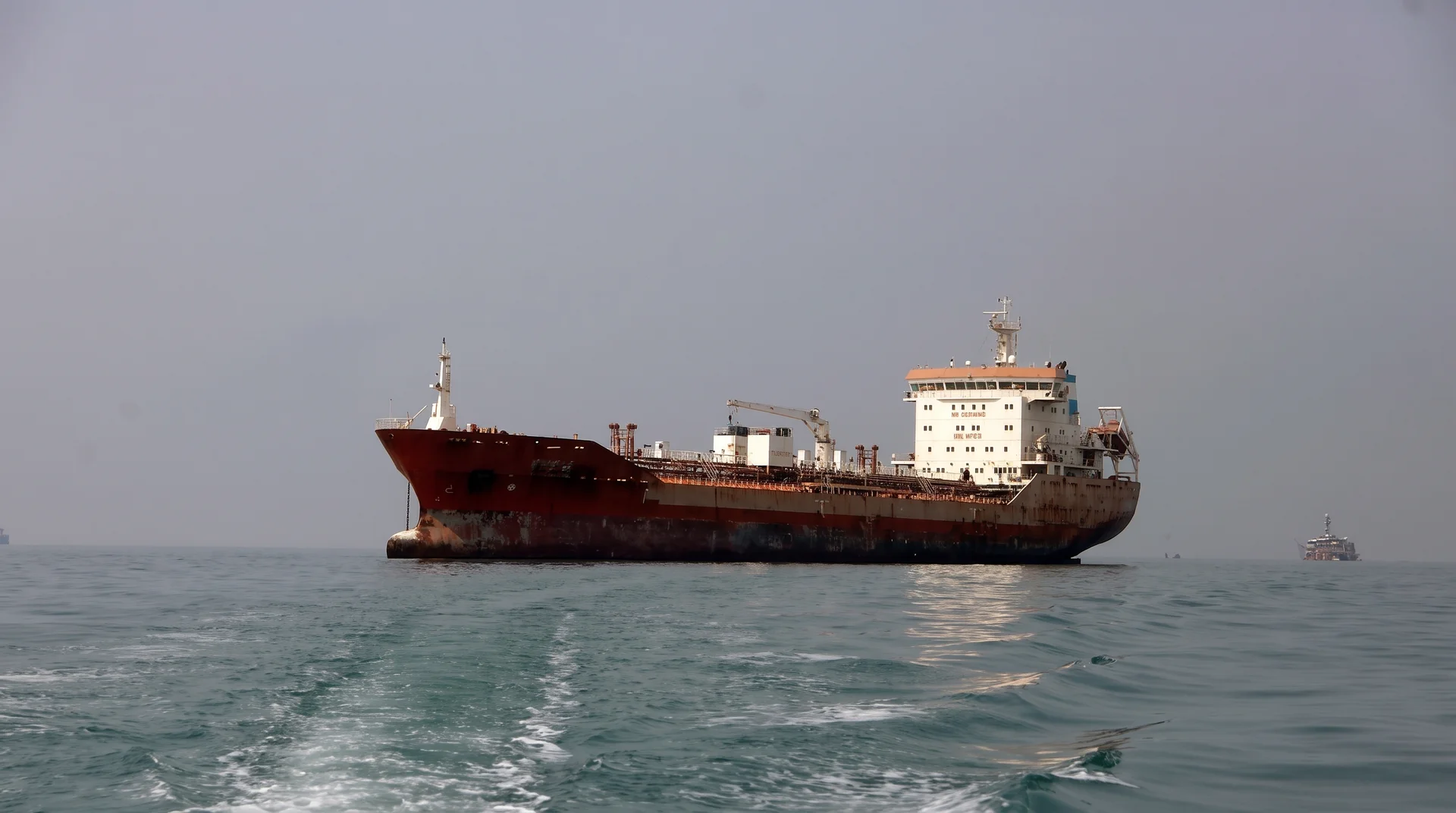
Qatari vessels can pass through the Strait of Hormuz without paying transit fees, according to a statement by a senior Iranian lawmaker. The announcement has drawn attention because the waterway is one of the world’s most important routes for oil and gas shipments.
Amir Hayat Moqaddam, deputy chairman of Iran’s parliament’s National Security and Foreign Policy Committee, told the Iranian Students’ News Agency (ISNA) that ships from Qatar, India, China and Iraq were exempt from Iran’s transit restrictions.
However, there is an important difference between being exempt from restrictions and having guaranteed safe passage. The statement has been attributed to the lawmaker, and it should not be treated as confirmation that all shipping operations through the strait have returned to normal.
Iran says Qatari ships can cross Strait of Hormuz without charges
According to Anadolu Agency, Moqaddam said vessels from four countries were currently exempt from transit restrictions in the Strait of Hormuz.
He also explained that the payment arrangements were different for each country:
- Qatar: Qatari vessels can pass without transit charges.
- India: Indian vessels are exempt from restrictions but still pay transit fees, according to the lawmaker.
- China: Chinese vessels are also charged transit fees.
- Iraq: Iraqi vessels are exempt from restrictions, but the lawmaker did not clarify whether they must pay.
Moqaddam said these arrangements reflected mutual interests between Iran and the countries involved.
Why has Iran exempted these countries?
The Iranian lawmaker gave different reasons for the arrangements.
He said allowing Indian ships to pass would help Iran import medicines from India. The exemption for Chinese vessels was intended to secure political support from Beijing.
He did not provide a specific explanation for the exemptions involving Qatar and Iraq.
Why is the Strait of Hormuz so important?
The Strait of Hormuz is a narrow waterway between Iran and Oman, connecting the Persian Gulf with the Gulf of Oman and the Arabian Sea.
It is a major global shipping route because large quantities of oil and natural gas from Gulf countries travel through it to international markets.
Any disruption can affect:
- International oil and gas supplies
- Shipping companies and cargo transport
- Energy prices around the world
- Countries that depend on imported fuel
- Global trade and supply chains
This is why developments involving the Strait of Hormuz are closely watched by countries across the world.
What does this mean for Qatar?
Qatar is one of the world’s major exporters of liquefied natural gas (LNG). Its energy exports depend on maritime shipping routes, making safe and reliable passage through the Strait of Hormuz particularly important.
The reported exemption for Qatari vessels could be significant for shipping and energy trade. However, it does not automatically mean that every Qatari-linked vessel can travel without restrictions or that all shipping risks have disappeared.
The actual movement of vessels will depend on the security situation and the arrangements in place at the time of transit.
Does free passage mean the Strait of Hormuz is fully open?
No. The reported exemption applies to vessels from specific countries, according to the Iranian lawmaker. It does not mean that the Strait of Hormuz is fully open to every ship.
Maritime security remains a serious concern. Recent reports of fires involving vessels in the waterway underline the risks facing commercial shipping.
Ship operators must continue to follow applicable navigation instructions and security guidance.
Frequently asked questions
Can Qatari ships pass through the Strait of Hormuz for free?
According to Iranian lawmaker Amir Hayat Moqaddam, Qatari vessels are allowed to pass without paying transit fees.
Which countries are exempt from Iran’s Strait of Hormuz restrictions?
The lawmaker named Qatar, India, China and Iraq.
Do Indian and Chinese ships have to pay transit fees?
Yes. The lawmaker said Iran collects transit fees from Indian and Chinese vessels.
Do Iraqi ships have to pay transit fees?
The lawmaker did not clarify whether Iraqi vessels are required to pay.
Where is the Strait of Hormuz located?
It lies between Iran and Oman and connects the Persian Gulf to the Gulf of Oman.
Why is the Strait of Hormuz important to Qatar?
It is an important maritime route for Qatar’s energy exports, including liquefied natural gas.
Does this mean all ships can now use the Strait of Hormuz freely?
No. The statement refers to exemptions for vessels from four countries. It does not confirm unrestricted passage for all international shipping.