
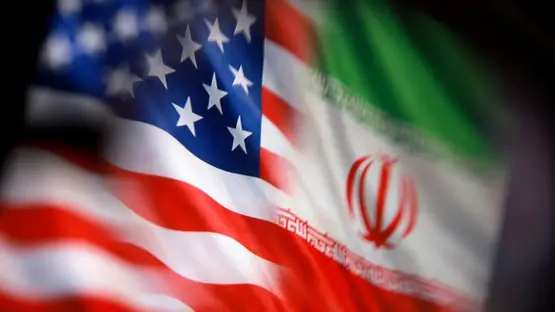
A historic moment for the Middle East just unfolded, and Qatar was right at the center of it. On June 15, 2026, the United States and Iran announced a peace agreement after more than 100 days of war, with Qatar’s diplomats playing a direct role in the final hours of negotiations in Tehran. The deal covers an immediate end to hostilities on all fronts including Lebanon, the reopening of the Strait of Hormuz, and the lifting of the US naval blockade on Iran. A formal signing ceremony is set for June 19 in Switzerland.
Here is a clear breakdown of what was agreed, what Qatar said, and what happens next.
What Qatar Said
Qatar’s Prime Minister and Minister of Foreign Affairs, Sheikh Mohammed bin Abdulrahman bin Jassim Al Thani, confirmed Qatar’s role and welcomed the agreement in a post on X.
“We extend our thanks to our brothers in the Islamic Republic of Pakistan and to all regional and international parties who contributed to creating the conditions for reaching this understanding,” he wrote. He added that Qatar looks forward to all parties engaging in the upcoming negotiations “in a positive and constructive spirit” and reaffirmed that the State of Qatar will always remain a steadfast supporter of these efforts and of all that promotes security and stability at the regional and international levels through dialogue and peaceful means.
Qatar’s Ministry of Foreign Affairs also issued an official statement, saying it considers the agreement, including ensuring freedom of navigation in the Strait of Hormuz, an important step towards consolidating sustainable peace and promoting economic growth regionally and internationally. The Ministry also commended the partnership and efforts undertaken by Pakistan, as well as all regional and international parties, to de-escalate tensions and bring viewpoints closer together.
What the Deal Actually Covers
According to Pakistan’s Prime Minister Shehbaz Sharif, who announced the agreement first, both sides declared the immediate and permanent termination of military operations on all fronts, including in Lebanon.
Based on reporting from Iran’s Mehr news agency, the draft agreement reportedly contains 14 points, including a permanent ceasefire on all fronts, full removal of the naval blockade within 30 days, a US commitment to withdraw forces from around Iran, reopening of the Strait of Hormuz, suspension of sanctions on oil sales, a final nuclear agreement within 60 days, and the release of 24 billion dollars in frozen Iranian assets during the 60-day negotiation period.
US President Donald Trump confirmed the agreement on Truth Social, writing that the deal “is now complete” and authorising the toll free opening of the Strait of Hormuz, and simultaneously, the immediate removal of the United States Naval blockade.
Iran’s Deputy Foreign Minister Kazem Gharibabadi confirmed the text of the memorandum had been finalised, stating that negotiations for a final deal will happen over a 60-day period after the US fulfills its commitments under the agreement, including ending hostilities, lifting the blockade, and releasing frozen assets.
Qatar’s Role Behind the Scenes
Qatar was not just a bystander in this. Reports from Doha indicated that a Qatari delegation traveled to Tehran in the final hours before the announcement to help finalise the terms of the memorandum of understanding, working alongside Pakistani mediators at a critical moment when an Israeli strike on Beirut threatened to derail the entire process.
Iran’s Supreme National Security Council specifically thanked both Pakistan and Qatar in its official statement, saying the war and military operations on all fronts, including Lebanon, would end immediately and permanently, with the naval blockade against Iran ending immediately and completely as well.
This is consistent with Qatar’s long-standing role as a trusted regional mediator, a position it has held in numerous Middle East negotiations over the years.
When Will It Be Signed
The official signing ceremony is scheduled for Friday, June 19, 2026, in Switzerland. Technical talks between the two delegations are expected to continue throughout the week leading up to the signing. Iran’s side has said that final negotiations on the more complex issues, including the nuclear programme, will not begin until at least half of Iran’s frozen assets have been released and restrictions on the Strait of Hormuz have been lifted.
Global Reaction
World leaders responded quickly. Japan’s Prime Minister Sanae Takaichi called it a “major step” toward a broader agreement. German Chancellor Friedrich Merz said the deal could pave the way for a “reinvigorated global economy and a more secure Middle East.” Turkish President Recep Tayyip Erdogan welcomed the agreement and urged all sides to avoid actions that could escalate tensions before the signing.
Markets across Asia rallied on the news, with Japan up more than 5 percent and the Philippines gaining over 5 percent, reflecting relief over the prospect of the Strait of Hormuz reopening to global shipping.
Why the Strait of Hormuz Matters
The Strait of Hormuz carried about a fifth of the world’s oil and liquid gas supplies before the war. Its closure since late February drove up global oil prices and disrupted shipping routes worldwide. The reopening, if it holds, is expected to bring gradual relief to energy markets, though analysts note that safe passage for ships and damaged infrastructure will take time to fully recover.
What Happens Next
- June 19, 2026: Official signing ceremony in Switzerland
- Following 60 days: Negotiations on a comprehensive final agreement, including Iran’s nuclear programme
- Ongoing this week: Technical talks between US and Iranian delegations to finalise implementation details
Some scepticism remains. Analysts have pointed out that the 2015 nuclear deal took years to negotiate with large technical teams, raising questions about whether the more complex issues can realistically be resolved within 60 days. Still, for a region that has lived through more than 100 days of war, this agreement marks the most significant de-escalation step taken so far.
FAQ: Qatar and the US-Iran Peace Deal 2026
What did Qatar say about the US-Iran deal?
Qatar’s Prime Minister and Foreign Minister Sheikh Mohammed bin Abdulrahman bin Jassim Al Thani welcomed the agreement, thanking Pakistan and all regional and international parties involved, and reaffirmed Qatar’s commitment to dialogue and peaceful resolution of regional issues.
What role did Qatar play in the US-Iran ceasefire?
A Qatari delegation traveled to Tehran in the final hours before the deal was announced, working alongside Pakistani mediators to help finalise the memorandum of understanding. Iran’s Supreme National Security Council specifically thanked Qatar for its efforts.
When will the US-Iran peace deal be signed?
The official signing ceremony is scheduled for Friday, June 19, 2026, in Switzerland.
What does the US-Iran deal include?
According to reports, the agreement includes an immediate ceasefire on all fronts including Lebanon, removal of the US naval blockade on Iran within 30 days, reopening of the Strait of Hormuz, suspension of oil sanctions, release of frozen Iranian assets, and a 60-day window to negotiate a final agreement on Iran’s nuclear programme.
For more Qatar news and regional updates, follow People and Qatar on Instagram @peopleandqatar.