

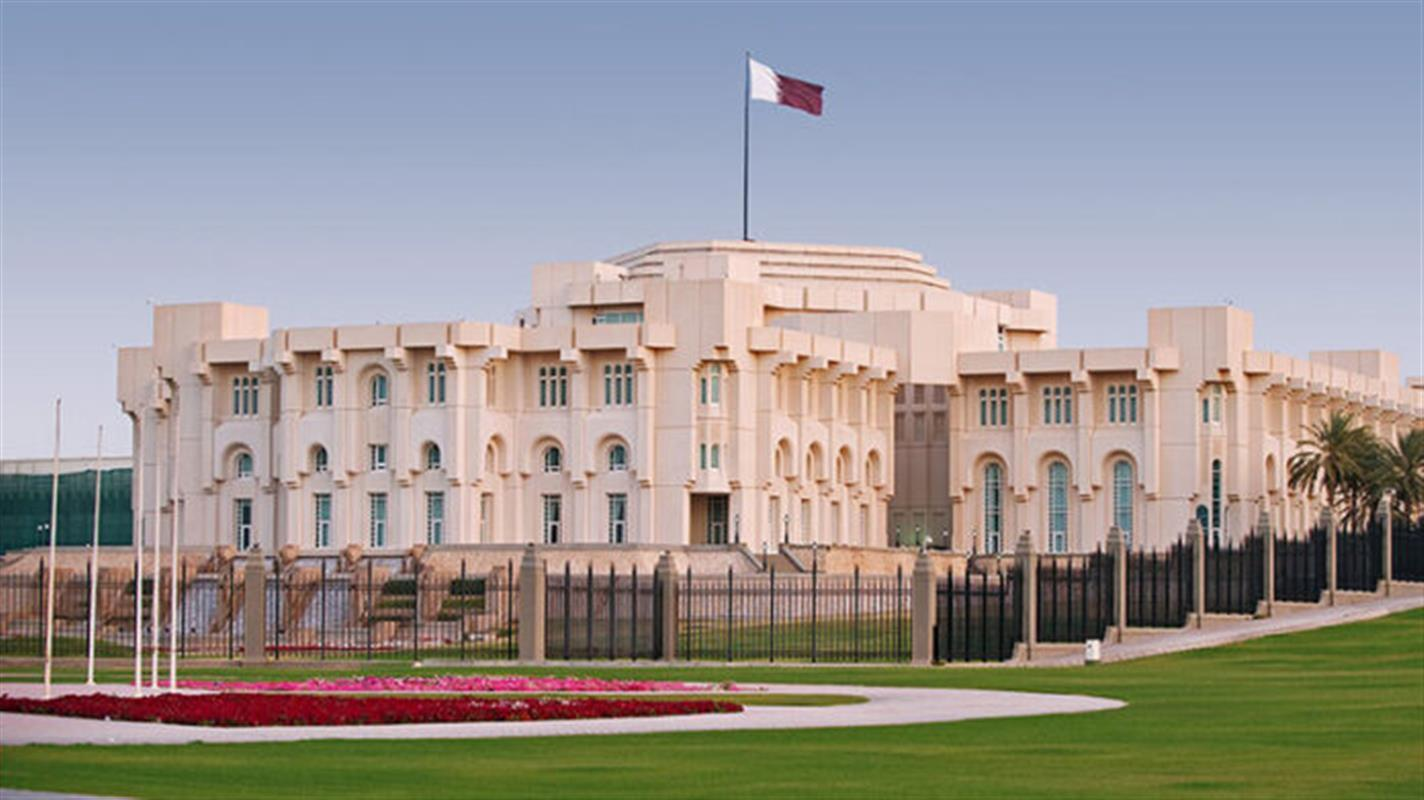
Qatar’s Cabinet had a busy May. Chaired by Prime Minister and Minister of Foreign Affairs HH Sheikh Mohammed bin Abdulrahman bin Jassim Al-Thani, the Council of Ministers met across several regular sessions this month and signed off on a set of decisions that touch daily life for residents, businesses, students, and the social sector alike.
Here is a clear breakdown of what was approved, what it means, and why it matters.
What the Minister Said
Minister of Justice and Minister of State for Cabinet Affairs HE Ibrahim bin Ali Al Mohannadi summarized the month’s direction:
“In May, the Cabinet approved a number of decisions and draft laws that underscore the State’s commitment to advancing social development, strengthening family cohesion, and empowering social professions and volunteer work as essential pillars of community engagement.”
The decisions reflect the joint efforts of Qatar’s legislative and executive authorities to push forward policies that support families, digital transformation, and the country’s social infrastructure in line with Qatar National Vision 2030.
5 Decisions on Local Affairs
1. E-Invoicing Law
Qatar’s Cabinet approved a draft law on e-invoicing and its executive regulations on May 6, 2026. Prepared by the Ministry of Finance in coordination with the General Tax Authority, the law aims to establish a legal framework for e-invoices and related notices, enhance transparency, and support digital transformation, while creating reliable databases for oversight purposes.
For businesses operating in Qatar, this is one of the most practically significant moves of the month. The General Tax Authority will monitor compliance, improve data access, and align with international trends. Businesses will need to prepare for structured invoicing, increased audits, and compliance harmonisation across the GCC.
2. Regulation of Social Professions
The Cabinet approved a draft law regulating the practice of social professions, prepared by the Ministry of Social Development and Family, in line with the Third National Development Strategy and Qatar National Vision 2030. The law aims to establish an integrated legislative framework to regulate social professions by identifying controls, provisions and professional standards necessary for practicing them.
The law also supports the participation of the private sector and non-profit organisations in providing social services within a framework that ensures governance, transparency, and sustainability.
3. Regulation of Private Schools
The Cabinet approved a draft law regulating private schools, prepared by the Ministry of Education and Higher Education, aimed at updating the legal framework governing private schools and enhancing governance and ensuring the quality of education.
This move is directly relevant to Qatar’s large expat community, where private schooling is the primary option for most families. The new framework is expected to raise accountability standards and improve the overall quality of private education across the country.
4. Water Reconciliation Deadline Extension
A draft decision by the Minister of State for Energy Affairs extends the reconciliation deadline stipulated in Law No. 23 of 2025 on Water. This gives relevant parties additional time to comply with water-related regulatory requirements, a step that aligns with Qatar’s broader sustainability and resource management agenda.
5. Health Research Licensing Fees
The Cabinet approved a draft decision by the Minister of Public Health specifying the fees applicable to licenses related to health research, within the framework of implementing Law No. 6 of 2025 on health research, with the aim of regulating the procedures for granting licenses in this field.
1 Decision on International Affairs
Legal Cooperation MoU with Bosnia and Herzegovina
The Cabinet approved a draft memorandum of understanding on legal cooperation between Qatar’s Ministry of Justice and the Ministry of Justice of Bosnia and Herzegovina. This adds to Qatar’s growing network of bilateral legal cooperation agreements and forms part of the country’s ongoing diplomatic engagement with European and international partners.
3 Reports Reviewed by the Cabinet
Arab Conference on Social Development
The Cabinet reviewed a report on Qatar’s participation in the High-Level Arab Conference on the Implementation of the Doha Political Declaration of the Second World Summit for Social Development, as well as the 45th Ordinary Session of the Council of Arab Ministers of Social Affairs, held in Jordan in December 2025.
Humanitarian Aid Committee Annual Report
The Cabinet reviewed the 2025 annual report of the Permanent Committee for Rescue, Relief, and Humanitarian Aid in Disaster-Stricken Areas in Sisterly and Friendly Countries, reflecting Qatar’s continued commitment to international humanitarian work.
COP30 Climate Conference Report
The Cabinet reviewed a report on participation in the 30th session of the Conference of the Parties to the United Nations Framework Convention on Climate Change, COP30, held in Brazil in November 2025.
The Bigger Picture
Taken together, this month’s Cabinet decisions point in a consistent direction: Qatar is building out its legal and institutional infrastructure across digital commerce, education, healthcare, and the social sector simultaneously.
The e-invoicing law alone will reshape how businesses report and manage transactions, bringing Qatar in line with GCC neighbours already further along in tax digitalisation. The private school law addresses one of the most frequently raised concerns among Qatar’s expat population. And the social professions law opens a clearer, more regulated pathway for NGOs, volunteers, and community organisations to operate.
All of these decisions align with the Third National Development Strategy 2024 to 2030 and Qatar National Vision 2030, both of which prioritise a knowledge-based, sustainable, and socially cohesive society.
FAQ: Qatar Cabinet Decisions May 2026
What did Qatar’s Cabinet approve in May 2026?
Qatar’s Cabinet approved five local decisions including e-invoicing regulations, a private schools law, a social professions framework, a water deadline extension, and health research licensing fees. One international MoU with Bosnia and Herzegovina was also approved, and three reports were reviewed.
What is Qatar’s new e-invoicing law?
Approved on May 6, 2026, the e-invoicing law establishes a legal framework for electronic invoices and notices in Qatar, managed by the Ministry of Finance and the General Tax Authority. It is designed to enhance transparency, support digital transformation, and create reliable databases for financial oversight.
How does the private school law affect expats in Qatar?
The new draft law regulating private schools, prepared by the Ministry of Education and Higher Education, updates the legal and governance framework for private schools in Qatar. It aims to raise the quality of education and strengthen accountability, directly affecting the majority of Qatar’s expat community who rely on private schools.
Where can I read the full Cabinet decisions?
Official summaries are published by the Council of Ministers Secretariat General at cms.gov.qa and covered by Qatar News Agency at qna.org.qa.
For the latest Qatar news, government updates, and Doha lifestyle guides, follow People and Qatar on Instagram @peopleandqatar.