

Qatar is transforming offshore oil rigs into thriving marine habitats, as research reveals that some of the richest marine biodiversity in the Arabian Gulf now exists around oil platforms. Studies conducted over the past decade show that these structures support more diverse marine life than many natural reef sites, marking a major shift in how offshore infrastructure is viewed in Qatar.
Led by Qatar-based researchers, this science-driven approach matters because it offers a sustainable alternative to traditional oil rig removal. By rethinking decommissioning practices, Qatar is aligning environmental protection, marine biodiversity, and long-term economic value in its offshore waters.
Rig-to-Reef Research in Qatar: An Overview
The research is led by Earthna Centre for a Sustainable Future, part of Qatar Foundation.
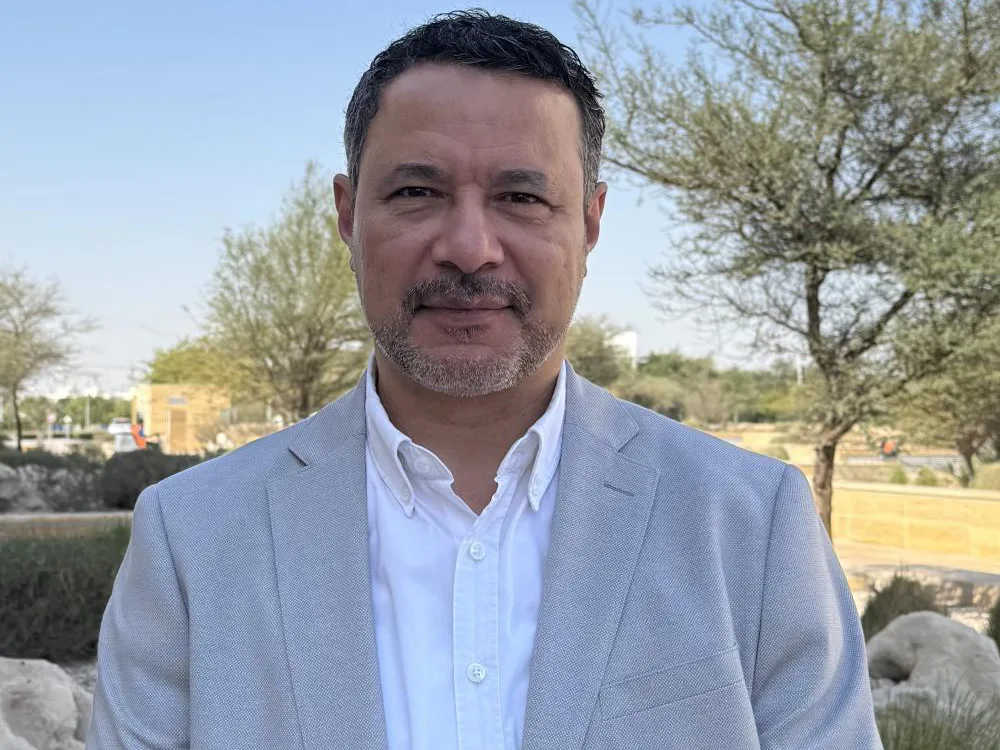
According to Dr. Radhouan Ben-Hamadou, Director of Research and Policy Development at Earthna, surveys conducted across the Arabian Gulf reveal that oil platforms host:
- Higher fish diversity
- Abundant sponges and soft corals
- Dense marine communities rarely found elsewhere in the region
These findings form the foundation of Qatar’s Rig-to-Reef project, which explores converting obsolete offshore platforms into permanent marine habitats.
What Makes This Initiative Special
Traditionally, offshore oil platforms are fully dismantled once operations end. This process is costly and environmentally disruptive.
Key challenges with full removal include:
- Seabed disturbance from cutting and lifting
- Increased water turbidity and sediment release
- Potential release of trapped pollutants
- Higher greenhouse gas emissions
By contrast, the Rig-to-Reef approach evaluates whether keeping all or part of a structure in place delivers greater ecological and economic benefits.
Why This Matters for Qatar’s Marine Environment
There are currently more than 800 offshore oil platforms in the Arabian Gulf, highlighting the scale of opportunity.
Dr. Ben-Hamadou explains that removing platforms often means:
- Losing established marine habitats
- Increasing emissions during decommissioning
- Disrupting ecosystems that took years to develop
The Rig-to-Reef project assesses each platform individually, weighing ecosystem services such as fisheries, ecotourism, and carbon storage against potential risks. In most cases studied, the benefits of retaining structures significantly outweigh the risks, provided environmental safeguards are applied.
How Rig-to-Reef Works Globally
Internationally, Rig-to-Reef programmes apply several methods:
- Partial removal, leaving lower sections as reefs
- Toppling structures horizontally onto the seabed
- Relocating platforms and redeploying them as artificial reefs
In Qatar, research into these approaches began in 2015, supported by national and international partners.
Who Is Involved in the Qatar Project
The project is backed by collaboration between:
- Qatar University
- California State University, Long Beach
- University of Copenhagen
Industry support has also played a key role, including contributions from TotalEnergies.
Industry and Sustainability Working Together
As an industry partner, TotalEnergies E&P Qatar has supported the project through:
- Field access
- Technical and R&D expertise
- Financial contributions
According to Yousef Al-Jaber, VP Innovation and Change Management, the initiative demonstrates how applied research can support environmental goals in complex marine conditions while enhancing biodiversity.
Why This Project Matters for Qatar’s Future
The Rig-to-Reef initiative offers Qatar a model that balances:
- Environmental protection
- Sustainable industry practices
- Economic opportunities
By preserving marine biodiversity, the programme opens new pathways for:
- Fisheries enhancement
- Ecotourism development
- Long-term carbon storage
It also supports Qatar’s broader sustainability and environmental policy goals as the country evaluates the future of its offshore infrastructure.
Frequently Asked Questions
What is the Rig-to-Reef project in Qatar?
It is a research-led initiative that explores converting decommissioned offshore oil platforms into permanent marine habitats instead of fully removing them.
Why do oil platforms support marine life?
The steel structures provide stable surfaces for corals, sponges, and algae, creating complex habitats that attract fish and other marine organisms.
Are oil platforms removed in Qatar?
Traditionally, Qatar favored full removal, but research is now exploring science-based alternatives that may offer greater environmental benefits.
Who leads the Rig-to-Reef research in Qatar?
The project is led by Earthna Centre for a Sustainable Future under Qatar Foundation, with support from universities and industry partners.