

Qatar Security Alert July 9 2026: Threat Eliminated in 9 Minutes, Full Timeline and What Happened
At 3:30 AM on Thursday July 9, 2026, residents across Qatar received an urgent public safety alert on their phones from the Ministry of Interior. Nine minutes later, at 3:39 AM, a second notification arrived: the security threat had been eliminated and the situation had returned to normal.
Here is everything that happened, why the alert was issued, what the broader context is, and what Qatar residents need to know right now.
What Did the Qatar Security Alert Say?
Two notifications were pushed to mobile phones across Qatar in the early hours of July 9.
The first alert warned of a security threat and instructed residents to follow instructions from relevant authorities.
The second, nine minutes later, read: “The security threat has been eliminated and the situation has returned to normal. Everyone must comply with the instructions issued by the relevant authorities.”
Both messages came from the Qatar Ministry of Interior via @MOI_Qatar. The rapid resolution, nine minutes from alert to all-clear, indicates that Qatari air defences intercepted and neutralised the incoming threat.
Why Was the Alert Issued?
The alert came amid a sharp escalation in the US-Iran conflict, specifically in the early hours of July 9, 2026, when the United States military carried out strikes on 90 targets inside Iran, targeting bridges, docks and airports in what the US described as an effort to degrade Iran’s ability to attack shipping in the Strait of Hormuz.
The Iranian Revolutionary Guard Corps retaliated almost immediately, launching attacks on US military bases across the Gulf region, including Camp Arifjan and Ali Al Salem in Kuwait, and Juffair and Sheikh Isa bases in Bahrain. Given Qatar’s hosting of Al Udeid Air Base, one of the largest US military installations in the Middle East, the proximity of these events created an immediate and credible security concern for Qatar.
The alert and the rapid all-clear suggest that Qatar’s air defence systems were activated and successfully intercepted whatever threat was detected.
The Full Context: How Did We Get Here?
This escalation did not come out of nowhere. Here is the timeline of events leading to the July 9 alert.
On June 16, the United States and Iran signed a Memorandum of Understanding ending the war on all fronts. The deal included the reopening of the Strait of Hormuz, lifting of the US naval blockade on Iranian ports, oil export waivers for Iran until August 21, and the release of frozen Iranian assets.
After signing, the US ended its naval blockade and issued the oil export waivers. But Israel continued attacking southern Lebanon, which Iran said violated the spirit of the agreement. The bigger dispute centred on the Strait of Hormuz itself. When Oman and the United Nations announced a maritime corridor to evacuate ships stranded by the conflict, Iran objected, saying the MoU gave it sole responsibility to manage shipping in the strait. Iran warned ships against taking unauthorised routes.
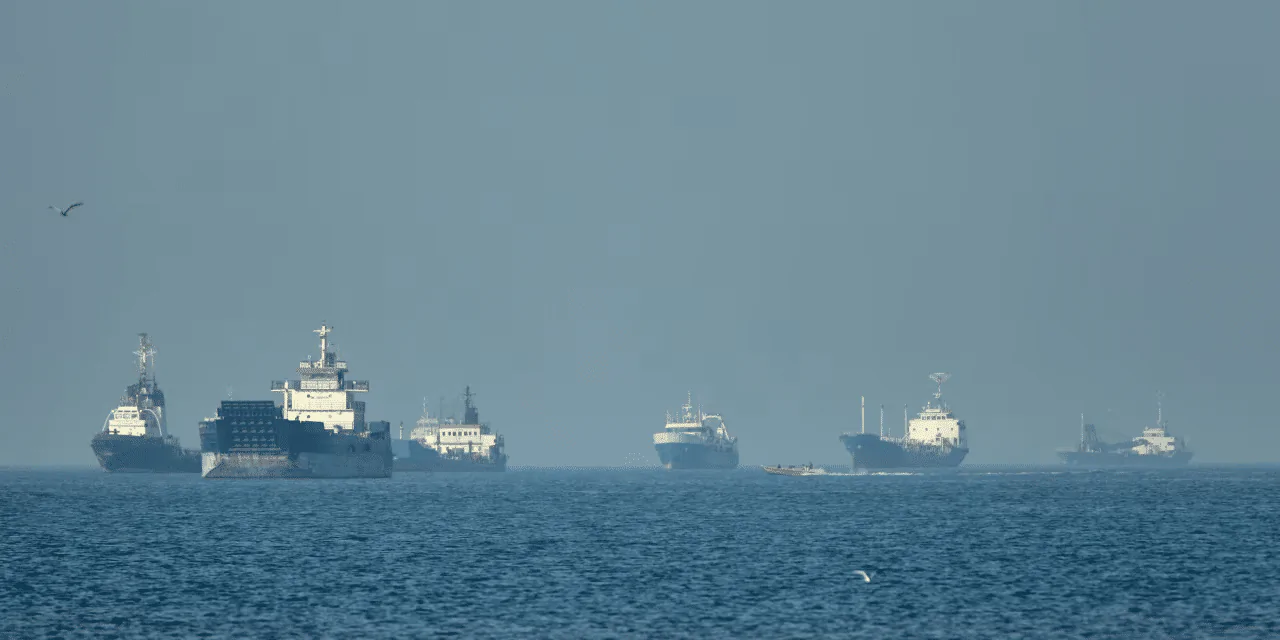
Days later, two ships were attacked in the waterway, including the Qatari LNG tanker Al Rekayyat, which was struck by a drone and sent out a mayday call. The US blamed Iran and struck cities along Iran’s southern coast on June 26 and June 27. Iran retaliated with strikes on US bases in Bahrain and Kuwait.
Indirect technical negotiations were held in Qatar on July 1, but produced no breakthrough on the Hormuz question. Then on Tuesday July 8, three more ships were attacked in the waterway, triggering the current round of exchanges. The US struck 90 targets inside Iran on July 9, Iran struck US bases in the region, and Qatar issued its public safety alert.
Iran claims drone strikes on Bahrain, Kuwait and Qatar
Iran’s military says it carried out drone strikes targeting “US bases and strategic centres” in the Gulf about an hour ago.
The strikes targeted a Patriot missile system in Kuwait, an early warning satellite antenna site in Qatar, and fuel tanks belonging to the US military in Bahrain.
The Iranian military said it used “a large number of various types of drones” in the attacks.
Qatar officials have not confirmed whether the country came under attack, and they haven’t provided any further details on this matter.
What Does This Mean for Qatar?
Qatar’s position throughout this conflict has been significant. The country was used as a venue for indirect negotiations between the US and Iran on July 1, reflecting its role as a neutral mediator in the region. Qatar has condemned the attack on its own LNG tanker Al Rekayyat, holding Iran legally responsible, while also continuing to host diplomatic channels.
Qatar is also home to Al Udeid Air Base, which houses thousands of US military personnel and significant air power, making it directly relevant to any Iranian calculation about US military operations in the region.
The fact that the security alert was issued and resolved within nine minutes suggests Qatar’s air defence and early warning systems are functioning effectively. The Ministry of Interior’s rapid communication to residents via the public safety notification system also reflects the emergency communication infrastructure that was built and tested during major events like the FIFA World Cup.
Residents should continue following @MOI_Qatar and @MOD_Qatar on X for any further updates and comply with any instructions issued by official authorities.
Qatar condemns attacks on commercial vessels in Hormuz
Qatar’s prime minister has condemned attacks targeting commercial vessels in the Strait of Hormuz in a phone call with Iranian Foreign Minister Abbas Araghchi.
Sheikh Mohammed bin Abdulrahman bin Jassim Al Thani and Araghchi “reviewed the latest developments regarding the military escalation between the United States of America and the Islamic Republic of Iran over the past two days”, a foreign ministry statement said.
He “emphasised that such actions undermine confidence, threaten the security of international navigation, and damage efforts aimed at consolidating regional security and stability”.
The Qatari prime minister further “stressed the need for all parties to commit to dialogue and diplomacy, and to implement what was agreed upon within the framework of the interim US-Iran deal”.
He also “reiterated the State of Qatar’s support for all endeavors aimed at containing the escalation and reaching a comprehensive agreement that contributes to consolidating security and stability, and achieves sustainable peace in the region”.
What to Do if Another Alert Is Issued
If you receive a public safety alert on your phone from Qatar’s Ministry of Interior, stay indoors and away from windows. Do not go outside until the all-clear is confirmed. Follow official channels only, specifically @MOI_Qatar on X, and do not rely on social media rumours. Qatar’s Civil Defence and security services have proven response capabilities, as demonstrated by the nine-minute resolution on July 9.