

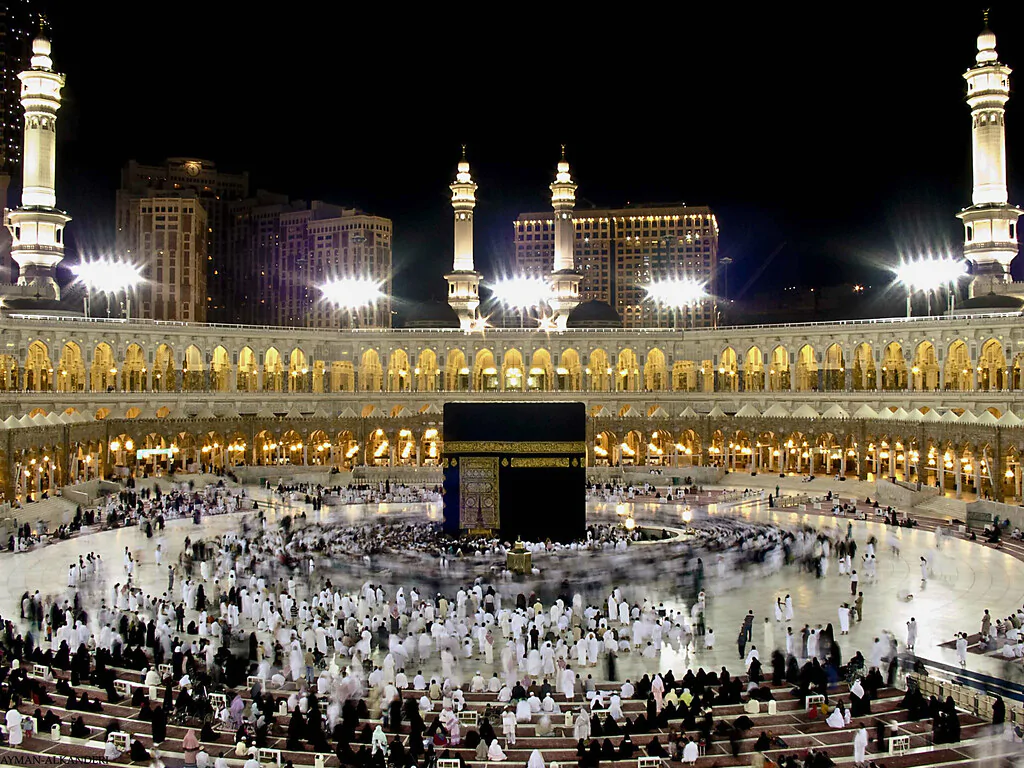
Hajj 2026 begins on 25 May, with nearly 2 million Muslims expected to perform the pilgrimage to Mecca after the crescent moon was sighted in Saudi Arabia. Eid al-Adha will be celebrated on 27 May 2026.
For Muslims in Qatar and around the world, Hajj is one of the most spiritually significant moments of the year. It is the fifth pillar of Islam and a once in a lifetime obligation for every adult Muslim who is physically and financially able to make the journey.
Here is a clear, simple guide to the key dates, rituals and meaning behind Hajj and Eid al-Adha 2026.
When is Hajj 2026?
Hajj 2026 will take place from 25 May to 27 May 2026, with the first day of Eid al-Adha falling on the third day of the pilgrimage.
Hajj is performed between the 8th and 12th (or 13th) of Dhul Hijjah, the final month of the Islamic calendar. Because the Islamic calendar is lunar, Hajj shifts about 10 to 12 days earlier each year on the Gregorian calendar.
Most pilgrims travel to Saudi Arabia weeks in advance to prepare for the journey.
When is Eid al-Adha 2026?
Eid al-Adha 2026 will be celebrated on 27 May 2026, marking the 10th of Dhul Hijjah. The celebration lasts up to three days in many countries, including Qatar.
Eid al-Adha begins with a special prayer shortly after sunrise, followed by the ritual of Qurbani (animal sacrifice), family gatherings, shared meals and the exchange of “Eid Mubarak” greetings.
What is Hajj and Why Do Muslims Perform It?
Hajj is the annual pilgrimage to Mecca and one of the five pillars of Islam, alongside the declaration of faith, daily prayers, zakat and fasting during Ramadan.
The word Hajj comes from the Arabic root meaning “to set out for a definitive purpose.” Muslims perform it to seek forgiveness, purify the soul and demonstrate complete submission to God. The rituals trace back to Prophet Ibrahim, his wife Hagar and their son Ismail, and were later affirmed by Prophet Muhammad during his farewell pilgrimage in 632 AD.
The Key Rituals of Hajj
Hajj is performed over five days, with each day carrying deep spiritual meaning.
Day 1
- Ihram: Pilgrims enter a sacred state. Men wear two white unstitched garments, women wear modest attire. The simple clothing reflects equality before God.
- Tawaf: Pilgrims circle the Kaaba seven times in a counterclockwise direction at Masjid al Haram.
- Sa’i: Walking seven times between the hills of Safa and Marwa, retracing Hagar’s search for water for her son Ismail.
- Mina: Pilgrims travel to Mina, known as the “city of tents,” for prayer and reflection.
Day 2
- Arafat: The most important day of Hajj. Pilgrims stand in prayer on the plains of Mount Arafat from midday to sunset, a moment often described as a preview of the Day of Judgement.
- Muzdalifah: After sunset, pilgrims travel to Muzdalifah, perform prayers and collect pebbles for the next day.
Day 3 (First day of Eid al-Adha)
- Stoning of the pillars: Pilgrims throw seven pebbles at the largest stone pillar in Mina, symbolising the rejection of Satan.
- Qurbani: An animal sacrifice is offered in remembrance of Prophet Ibrahim’s willingness to sacrifice his son in obedience to God.
- Cutting or shaving hair: Men shave or trim their heads, women cut a small portion of their hair as a sign of spiritual renewal.
- Main tawaf: Pilgrims return to Mecca for another tawaf around the Kaaba and sa’i between Safa and Marwa.
Days 4 and 5
Pilgrims return to Mina and stone all three pillars on each day. Before leaving Mecca, they perform the tawaf al wada, a farewell tawaf around the Kaaba.
How Muslims in Qatar Mark Eid al-Adha
In Qatar, Eid al-Adha is one of the biggest celebrations of the year. Families head to mosques and prayer grounds for the Eid prayer, then come together for large meals, exchange gifts and visit relatives.
The Qurbani ritual is central to the celebration. The meat is traditionally divided into three parts: one for the family, one for relatives and friends, and one for those in need.
The Spirit Behind the Pilgrimage
Beyond the rituals, Hajj is a deeply personal journey. Pilgrims from every nationality, background and income level stand side by side in identical white garments, reminded that before God, all are equal.
For the millions making the journey in 2026, Hajj is both an act of devotion and a powerful reset, a chance to return home spiritually renewed.