

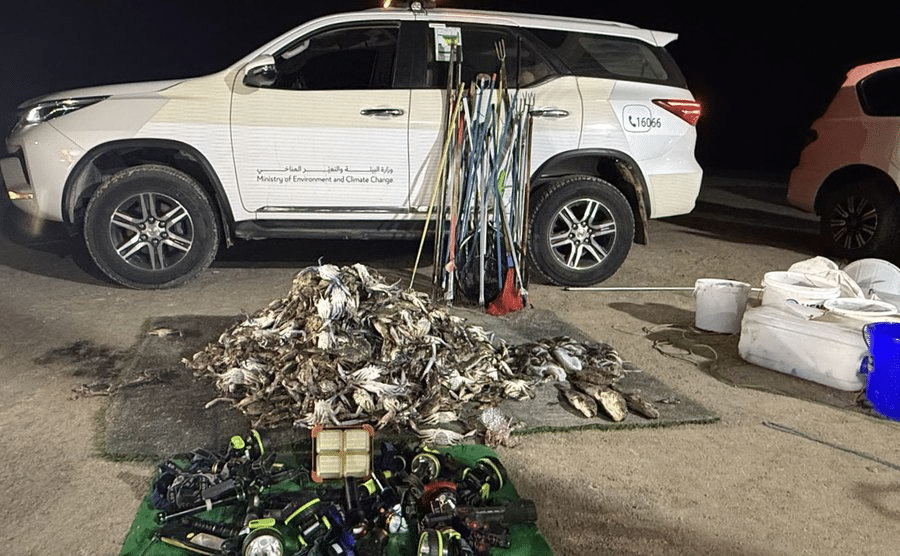
Illegal fishing arrests in Al Thakhira Reserve 2025 in Qatar have highlighted the country’s strict approach to protecting its natural reserves. Authorities in Doha and across Qatar confirmed that 15 individuals were arrested for carrying out illegal fishing inside the Al Thakhira Reserve, one of Qatar’s most sensitive protected ecosystems.
This update matters because fishing regulations in Qatar are tightly enforced, especially within protected areas. Whether you are a resident, visitor, or recreational fisherman, understanding where fishing is allowed and which areas are restricted helps avoid legal penalties and protects Qatar’s marine environment. This article explains what happened, where, and why it matters, along with how to identify protected fishing zones in Qatar.
Overview
The arrests were carried out by the Ministry of Environment and Climate Change, represented by the Directorate of Natural Reserves.
According to official statements, the violations were identified during intensive inspection campaigns and patrols conducted by specialised environmental teams. The individuals were found fishing illegally within the boundaries of the Al Thakhira Reserve, a legally protected natural area.
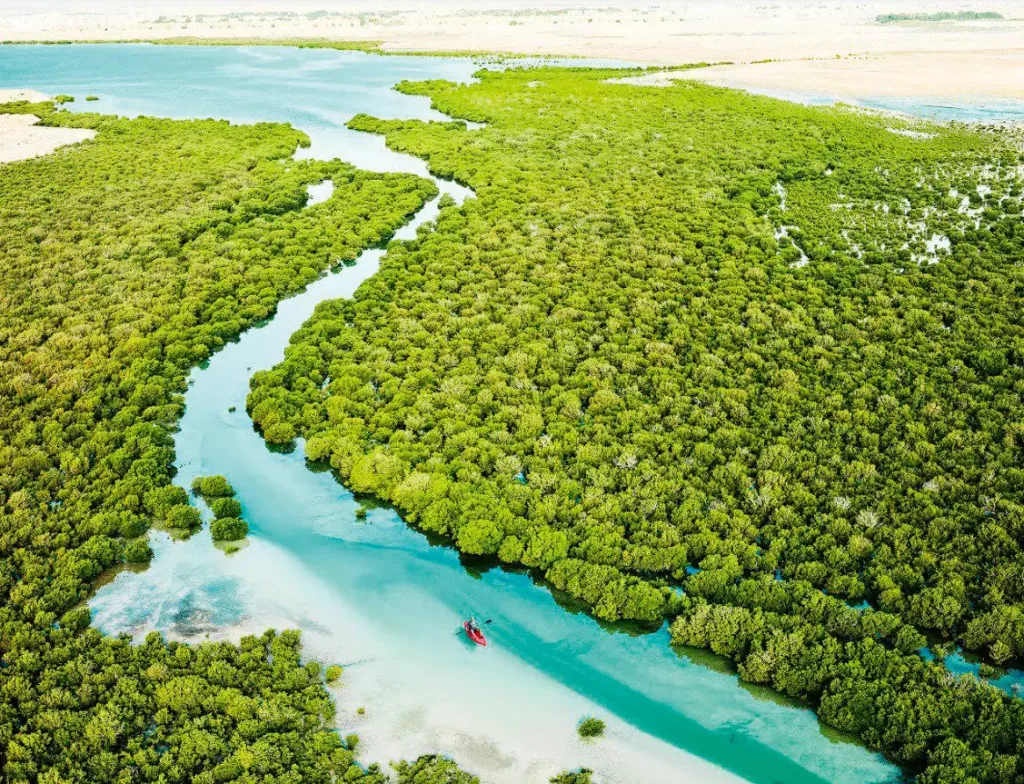
Legal action has been taken against all violators in line with Qatar’s environmental laws and regulations.
Dates, Timings & Location
- Year of enforcement action: 2025
- Location: Al Thakhira Reserve, northern Qatar
- Authority involved: Ministry of Environment and Climate Change
- Area status: Protected natural reserve
The inspections were part of ongoing monitoring efforts rather than a single-day operation.
However, it directly affects:
- Recreational fishing activities
- Commercial fishing operators
- Visitors fishing near mangrove and coastal zones
Fishing inside protected reserves in Qatar is prohibited without official permission.
Al Thakhira Reserve is one of Qatar’s most ecologically important coastal areas, known for its mangroves, marine biodiversity, and role in environmental balance.
Key points:
- Mangrove reserves act as nurseries for marine life
- Protected zones are monitored year-round
- Violations can lead to fines, equipment confiscation, and legal action
- Enforcement reflects Qatar’s commitment to sustainability
The arrests underline that environmental laws in Qatar are actively enforced, not symbolic.
Awareness helps prevent unintentional violations.
Why This Matters in Qatar
Environmental protection is a national priority in Qatar. Natural reserves like Al Thakhira play a key role in biodiversity conservation, climate resilience, and sustainable tourism.
Strict enforcement sends a clear message that protected areas are not open for unrestricted use. It also encourages responsible behaviour and long-term preservation of Qatar’s natural heritage.
Frequently Asked Questions
How can people identify protected fishing areas in Qatar?
Protected areas are designated by the Ministry of Environment and Climate Change. Boundaries are often marked on-site and published through official government platforms.
Are there maps showing where fishing is allowed in Qatar?
Yes. The Ministry of Environment and Climate Change provides official maps and guidance through its website and public awareness materials. Fishermen are advised to consult these resources before fishing.
Is fishing allowed near Al Thakhira Reserve?
Fishing is prohibited inside the reserve boundaries. Activities near the area must comply with regulations and should be confirmed with official authorities.
What penalties apply for illegal fishing in protected areas?
Penalties may include fines, confiscation of equipment, and legal proceedings depending on the severity of the violation.