

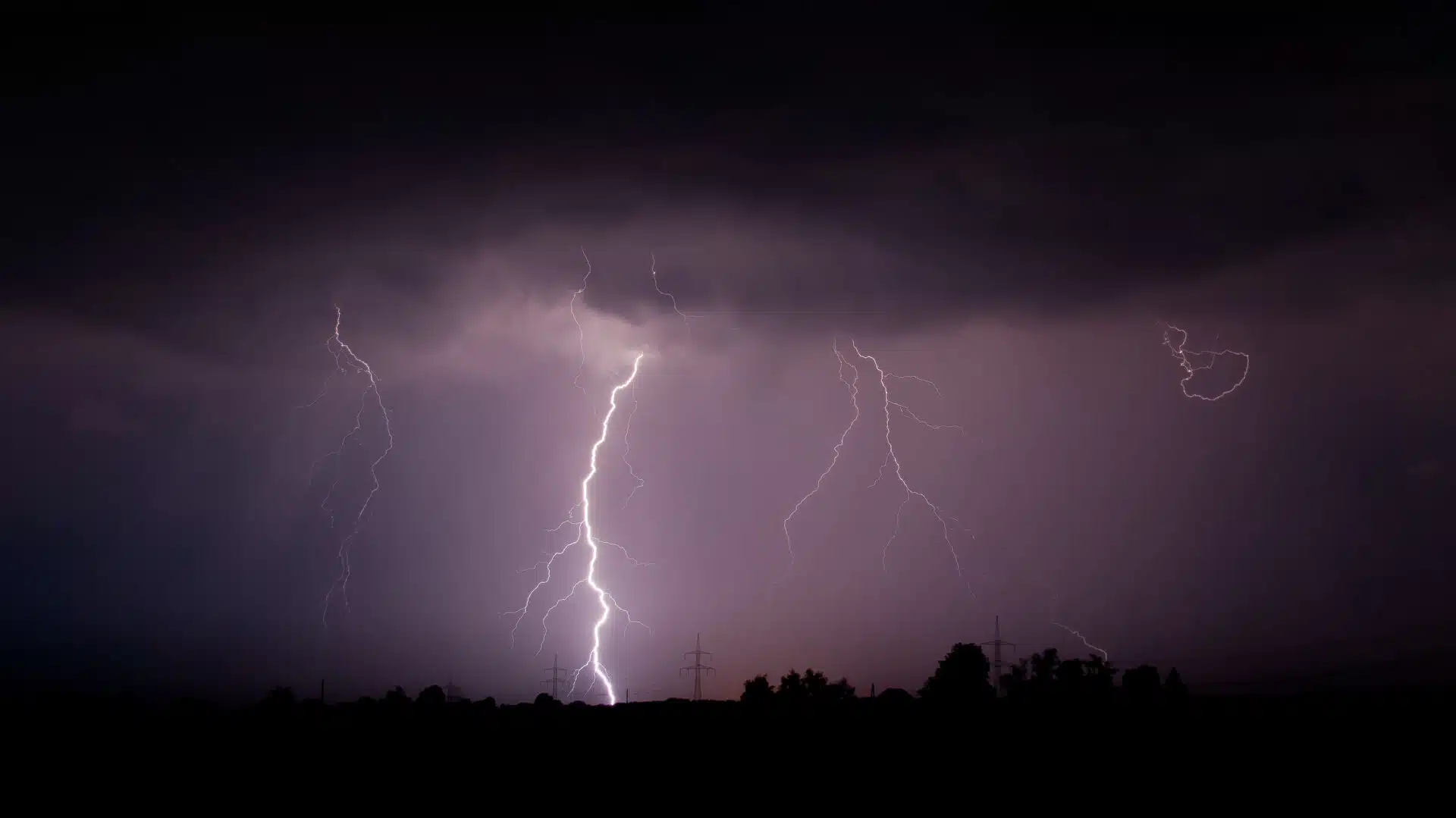
A powerful winter storm system has swept across Saudi Arabia, bringing intense rainfall, strong winds and hazardous weather conditions that have affected multiple regions across the Kingdom. The severe weather event has raised safety concerns, disrupted daily life and highlighted wider climatic shifts impacting the Gulf region, including neighboring Qatar.
Severe Weather Conditions Across Saudi Arabia
Saudi Arabia is experiencing one of its most intense winter weather episodes in recent years. Heavy rainstorms combined with strong winds and thunderstorms have affected major cities and remote areas alike. Several regions have reported flash floods, reduced visibility due to dust and sandstorms, hailstorms and falling debris caused by wind gusts.
The Saudi National Center for Meteorology issued high level weather warnings across multiple provinces, urging residents to avoid flood prone areas and unnecessary travel. Emergency authorities have been placed on high alert as rainfall intensity increases the risk of urban flooding and infrastructure damage.
Impact on Daily Life and Infrastructure
The storm has led to road closures, flight delays and disruptions to public services. Low visibility and flooding have created dangerous driving conditions, while strong winds have damaged temporary structures and power lines in some areas. Authorities continue to advise residents to monitor official weather updates and follow safety guidelines.
This extreme winter storm reflects a growing trend of unpredictable weather patterns in the Middle East, where rainfall is becoming more intense and concentrated over shorter periods.
Weather Patterns in the Gulf and Relevance to Qatar
While Qatar has not experienced the same level of severe weather, the broader Gulf region is influenced by the same atmospheric systems. Seasonal winter storms moving across the Arabian Peninsula can impact Qatar’s climate, leading to sudden rain showers, strong winds and temporary drops in temperature.
Qatar’s Ministry of Environment and Climate Change regularly monitors regional weather developments, especially during winter months, to issue timely alerts for residents and visitors. Increased rainfall events in the Gulf have also raised awareness around urban drainage systems, road safety and preparedness during extreme weather.

Climate Change and Rising Weather Extremes
Climate experts note that shifting weather patterns across Saudi Arabia and the Gulf region are linked to global climate change. Warmer air temperatures increase the atmosphere’s ability to hold moisture, leading to heavier rainfall during storm events. This trend is relevant for countries like Qatar, Saudi Arabia and other Gulf states that traditionally experience arid climates.
Governments across the region are investing in early warning systems, climate adaptation strategies and infrastructure upgrades to better manage the impact of extreme weather events.
Staying Safe During Extreme Weather
Residents in Saudi Arabia and across the Gulf, including Qatar, are advised to stay informed through official meteorological channels, avoid flooded areas, secure outdoor objects and follow local safety instructions during severe weather alerts.
As winter storms become more intense and frequent across the region, preparedness and awareness remain key to minimizing risks and protecting communities.
This major weather event serves as a reminder that extreme climate conditions are increasingly affecting the Middle East, making regional cooperation and climate resilience more important than ever.